
Buying Australian Real Estate at Auction: Tips & Pitfalls

Buying real estate at auction in Australia presents a unique blend of excitement, opportunity, and risk. For both seasoned investors and first‑time homebuyers, the auction room—or virtual bidding platform—can be a high‑stakes environment that demands preparation, discipline, and a clear understanding of legal obligations. The auction process varies slightly between states but shares common fundamentals: real‑time competitive bidding, legally binding contracts, and usually no cooling‑off period. This post explores how auctions work nationwide and outlines strategies, common pitfalls, and how to navigate them wisely.
Understanding the Auction Process
In Australia, property auctions are public events led by an auctioneer. Interested buyers register and bid in real time. The seller sets a reserve price—often undisclosed—and once bidding reaches that threshold, the property moves “on the market.” After that point, the highest bid wins if it meets or exceeds reserve. If bidding fails to reach reserve, the property is “passed in,” and negotiations can continue privately. Across jurisdictions such as New South Wales or Victoria, successful bids are unconditional, meaning the buyer must sign the contract immediately and typically pay a 10 percent deposit on the spot—without the benefit of a cooling‑off period. All due diligence must be completed before the auction begins.
Why Auctions Are Popular in Australia
Auctions offer transparency and speed. Buyers witness competing bids in real time, leaving little room for behind‑the‑scenes negotiation. This transparency appeals to many purchasers. Sellers favor the auction format because it can quickly secure a deal, potentially triggering competitive bidding that drives prices above guide values.

In strong markets such as Sydney, Melbourne, or Brisbane, auctions often result in high clearance rates and aggressive pricing. In mid‑winter 2025 Brisbane led the country with clearance rates around 74 to 76 percent, underscoring the sustained demand even in cooler seasons.
Preparation Is Everything
Thorough research is a prerequisite before attending any auction. Buyers must inspect the property, commission building and pest inspections, and obtain and review the contract of sale and any vendor statements well in advance. Calling on a solicitor or conveyancer to analyze contract terms is essential, as hidden conditions or covenants can carry serious consequences. Skipping these steps leaves buyers vulnerable to unknown liabilities or overstated value qabilities.
Alongside property research, financial readiness cannot be overstated. A bidder must secure full, unconditional loan approval—not just a pre‑approval—to meet the requirement for immediate settlement. The ability to deposit funds quickly, typically 10 percent of the purchase price, is mandatory on auction day. Failure to have finances in order can result in losing the deposit and legal action from the seller.
Setting Strategy: Budget and Bidding Approach
Entering the auction room without a clearly defined maximum bid is a recipe for regret. Establishing a strict upper limit—factoring in purchase price, stamp duty, legal fees, and potential repair costs—is critical. Buyers who let emotion drive decisions often pay significantly more than the property’s value. Emotion‑driven bidding can quickly stall an otherwise sound strategy and lead to financial strain or remorse.
Bidding strategy should align with market conditions. In hot markets, a bold opening bid may signal strength and deter competition. In quieter markets, patience can work to a buyer’s advantage—allowing momentum to die off or the property to pass in, after which private negotiation might yield a better deal. Experienced auction strategists often recommend odd‑numbered increments or slow, low bids to disrupt momentum and mask true intent. Staying physically positioned so you can observe other bidders’ behavior also provides valuable cues about how close competitors may be to their limit.
Pitfalls of Emotional Bidding and Misreading the Room
One of the most common mistakes is getting swept up in the excitement or urgency of competition. Auctions are deliberately designed to create tension, and if you’re emotionally engaged, it’s easy to exceed your budget or ignore warning signs. Maintaining a poker face and sticking firmly to your predetermined limit is essential to avoid financial harm.
Misinterpreting the bidding behavior of others or the auctioneer’s language can also be costly. Auctioneers may signal that the reserve price has been met using phrases such as “we are on the market” or “now selling.” Recognizing those cues helps you time your bids effectively and understand when the property is secured. Equally, watch out for vendor bids—declared bids made by or on behalf of the seller; these are legal when disclosed but can distort the pace and pricing if applied aggressively.
No Cooling‑Off Period: Legal Realities
Once your bid is accepted, the contract of sale becomes legally binding immediately. There is no cooling‑off period for auction sales in most states. Backing out afterward almost always means losing your deposit and potentially facing legal action or damages. Because of this, the stakes at auction are high, and there is no room for second thoughts once the gavel falls.

When a Property Is Passed In: Staying Ready
If bidding fails to meet reserve, a property is passed in and the highest bidder often gains first negotiation rights once the auction ends. This can be an opportunity to strike a deal post‑auction. With the guidance or presence of a buyer’s agent or legal advisor, buyers can negotiate on price, deposit, or settlement terms in a structured manner. However, other bidders—and the seller—may reenter negotiations quickly, so acting promptly and professionally is vital.
Seeking Professional Support
Professional assistance can provide a significant advantage. Conveyancers or property lawyers help ensure you fully understand contract terms, uncover legal pitfalls, and meet your obligations. Building and pest inspectors identify structural or pest issues that may impact valuation. Meanwhile, buyer’s agents bring local market insight, bidding experience, and emotional neutrality to the table. Clients working with experienced advisers report saving thousands—often 5‑15 percent of purchase price—through better strategy and negotiation.
The Wider Market Landscape
The context in which auctions occur matters. In July 2025, clearance rates in major cities remained above 70 percent, reflecting robust buyer demand and limited housing supply. Many Australians report intense competition, repeated bidding losses, and the pervasive impact of investor activity. Emotional pressure and fear of missing out are common themes shaping the auction experience. In such conditions, waiting for cooler markets, having fallback properties in mind, or employing patience may bring better results than high‑pressure bidding environments.
Conversely, in suburbs or periods where supply returns or demand softens, properties can pass in experimentally low, and buyers who maintain discipline and readiness may negotiate favorable outcomes post‑auction. Recognizing when a market is peaking versus when it’s cooling is part of a successful auction strategy.

Success Requires Preparation and Discipline
Buying Australian real estate at auction can deliver value, clarity, and speed—but only if approached with full preparation and unwavering discipline. Knowing how auctions legally bind you, understanding the psychological mechanics at play, and setting firm budgets before stepping into the room are non‑negotiable. Should you set a smart strategy, engage appropriate professionals, and remain emotionally detached during bidding, the process can be both rewarding and efficient.
Remember that losing an auction is not failure: it’s often a safeguard against overpaying. In every auction campaign, success is not always about winning the bid—it’s about protecting your financial integrity. With knowledge, strategy, and preparation, you can step into the auction room with confidence and make informed decisions that serve your goals over the long haul.
Buying & Selling Coastal Australian Real Estate: Is It Worth the Premium?
Australia’s coastline has long captured the imagination of buyers and investors alike. From the white-sand beaches of Queensland to the dramatic cliffs of Victoria’s Great Ocean Road, coastal properties carry an undeniable allure. But with this appeal comes a price—often a hefty one. Buyers are frequently confronted with inflated costs, fierce competition, and long-term value questions. Sellers, too, face the challenge of timing the market to make the most of their investment. So, is buying or selling coastal Australian real estate truly worth the premium? Let’s explore this complex topic from both sides of the transaction.

The Emotional Pull of the Coastline
It’s hard to ignore the emotional draw of living by the sea. The promise of ocean breezes, morning swims, and a laid-back lifestyle captures a broad cross-section of buyers—from retirees seeking serenity, to families wanting an outdoor lifestyle, to professionals embracing remote work opportunities. Gold Coast Real estate agents know this emotional connection often trumps logic, pushing prices higher than similar inland properties.
But while this lifestyle appeal is genuine, it’s important to evaluate whether the long-term financial and logistical implications stack up. Coastal living isn’t always easy or affordable, and whether it’s a personal purchase or an investment, the reality must be weighed against the dream.
Coastal Property Pricing: Why the Premium Exists
The premium on coastal properties is driven by several market factors. Supply is limited—there’s only so much land near the coast, and environmental protections often limit new developments. This scarcity creates a naturally competitive environment. High demand from both domestic and international buyers fuels bidding wars, especially in renowned destinations like Byron Bay, Sunshine Coast, or Bondi.
In addition, coastal councils typically impose stricter building codes and sustainability requirements due to environmental sensitivity, erosion risks, and heritage overlays. These regulations increase the cost of construction, further driving up the price of newly built or renovated homes.

Properties with panoramic water views or absolute beachfront access often see exponential pricing. In many cases, the location alone contributes more to the valuation than the house itself. While this sounds like an investment win, it’s a double-edged sword—because should lifestyle trends shift, prices can just as easily dip.
The Long-Term Value of Coastal Investments
Over the past decade, coastal Australian real estate has proven to be a strong performer. Areas once considered seasonal holiday zones have transformed into year-round communities with robust infrastructure, schools, and healthcare services. The pandemic’s work-from-home movement accelerated this trend, making coastal homes viable primary residences rather than just holiday escapes.
Many buyers who entered the market early in places like Lennox Head, Torquay, or Noosa Heads saw their investments double or even triple in value. However, such growth isn’t guaranteed. Economic downturns, tourism slowdowns, and rising interest rates can all cool the market rapidly.
For those investing in rental income, coastal homes in tourist regions can offer strong short-term gains through platforms like Airbnb or traditional holiday letting. Yet, seasonal fluctuation, weather damage risks, and local council restrictions on short stays can affect profitability.
The Risk Factor: Weather, Insurance, and Maintenance
One of the key considerations in evaluating whether coastal real estate is worth the premium is the climate risk associated with owning property near the ocean. Australia’s coastal zones are highly susceptible to environmental threats like flooding, cyclones, king tides, and bushfires. Rising sea levels have become a particular concern, especially in low-lying communities.
This environmental exposure has a direct impact on insurance premiums. Coastal property owners often face higher rates—or may find coverage limited or denied altogether by insurers concerned about climate vulnerability. Without proper insurance, even a beautiful home with a breathtaking view can become a liability.
Beyond insurance, coastal homes often require more upkeep than inland properties. Salt corrosion affects building materials, roofing, plumbing, and even electronics. Frequent painting, anti-rust treatments, and professional cleaning of outdoor areas are not optional—they’re essential for maintaining the property’s value.
Selling Coastal Properties: When and How to Maximize Value
For those looking to sell coastal property, understanding the unique rhythms of the market is essential. Peak selling periods often align with warmer months, when coastal areas attract tourists and second-home buyers. During these times, emotional appeal is at its highest and so is buyer competition.
Presentation is everything. Staging a coastal home should emphasize lifestyle—sunlight, sea breezes, open-plan spaces, and outdoor entertaining areas. Sellers benefit from professional real estate photography, drone footage, and even virtual tours that showcase proximity to the beach and surrounding attractions.
Timing the sale is equally important. During a nationwide housing boom or when interest rates are low, buyers are more willing to pay a premium. But when economic conditions tighten, coastal homes—especially luxury properties—can be among the first affected, as discretionary buyers withdraw.

Is the Premium Ever Justified?
For many, paying a premium for a coastal property is about more than financial logic—it’s a personal lifestyle decision. The sense of peace, community, and nature is something people are willing to pay dearly for. If you’re buying as an owner-occupier with a long-term view and you’re emotionally invested in coastal living, the premium can be well worth it.
But if your goal is to flip for short-term profit or rely on steady rental returns, the coastal market can be a gamble. You need to do your due diligence, including understanding zoning laws, rental regulations, tourism trends, and local infrastructure plans.
Sellers, too, need to approach the market with a mix of emotional intelligence and commercial awareness. Overpricing based on emotional attachment can backfire. Smart sellers know the market, use data, and time their exit for maximum impact.
Making the Right Move: Partnering with the Right Professionals
Whether buying or selling coastal property, working with experienced professionals makes a huge difference. Buyers need guidance on realistic valuations, future development potential, and navigating tricky local laws. Sellers need marketing expertise, negotiation skills, and access to motivated buyers.
That’s where platforms like Legiit come in. By connecting clients with skilled real estate freelancers—content writers, marketers, analysts, or local consultants—these platforms offer a cost-effective way to access insights and services that would otherwise be expensive or unavailable.
For example, a property investor might hire a Legiit expert to conduct a market analysis on rental trends in Batemans Bay or to create compelling property listing content that sells the dream of Port Douglas. Sellers can also benefit from affordable staging advice, drone video production, or SEO content for their agency website.
Using such platforms empowers both buyers and sellers to operate with greater clarity, strategy, and confidence. In a high-stakes market like coastal real estate, that kind of edge can make all the difference.

Future-Proofing Your Coastal Investment
The future of coastal real estate in Australia is tied to environmental sustainability, government infrastructure spending, and shifting population dynamics. Buyers should consider factors like planned transport links, climate adaptation projects, and zoning changes. Sellers, meanwhile, should be aware of demographic trends and tourism shifts that might influence buyer demand.
Sustainable design and construction are becoming essential in coastal developments. Homes with eco-friendly features—like solar panels, water tanks, and weather-resistant materials—are not just attractive to today’s buyers but also likely to be more resilient to future regulatory changes.
With thoughtful planning and a clear understanding of market dynamics, coastal real estate can be a rewarding part of any portfolio or a dream lifestyle choice. But like the tides themselves, the market can change quickly. Knowledge, timing, and smart partnerships are the keys to making the premium worthwhile.
Avoiding Common Mistakes When Buying & Selling Australian Real Estate
Navigating the Australian real estate market can be both thrilling and overwhelming. Whether you’re a first-time buyer, a seasoned investor, or someone looking to sell a long-held property, the journey is fraught with decisions that can significantly impact your financial future. In such a dynamic and often unpredictable market, avoiding common mistakes is essential to ensuring a smooth and profitable experience. While many buyers and sellers go in with good intentions and initial research, they often overlook crucial details that can lead to costly setbacks. With professional insight and proper guidance, many of these pitfalls can be entirely avoided.
This article explores the most frequent mistakes made when buying and selling Australian real estate—and more importantly, how to steer clear of them. Armed with this knowledge, you’ll be better positioned to make confident, informed decisions in your property journey.
Overlooking Proper Financial Preparation
One of the most significant errors buyers make is failing to understand their full financial position before stepping into the market. It might seem obvious, but not having pre-approval from a lender or a clear understanding of your borrowing capacity can derail the entire process.
Many buyers start browsing listings and attending inspections without knowing what they can realistically afford. This leads to emotional attachments to properties outside their budget and missed opportunities on ones that were within reach. Sellers, too, sometimes fail to factor in the true costs associated with selling, including agent fees, advertising, legal costs, and potential capital gains tax.

Sound financial preparation means speaking with a mortgage broker or financial advisor early in the process. Get your budget confirmed, understand your costs, and plan for unexpected expenses. That foundation helps reduce stress and keeps you anchored in reality as the market moves.
Failing to Do Thorough Market Research
Another widespread issue is the lack of deep market research. Buyers and sellers alike often rely on general headlines or superficial information when making major decisions. For instance, purchasing a property simply because it’s in a “trendy” suburb doesn’t guarantee capital growth. Similarly, pricing a home based on what a neighbor received a year ago doesn’t reflect current market dynamics.
Real estate is hyper-local. Every street, block, and building can have a different value based on its unique position, condition, and demand. Buyers need to study recent sales, suburb trends, rental yields (if investing), upcoming infrastructure developments, and future rezoning plans. Sellers should review comparative market analyses provided by agents, current buyer activity, and how their property sits in the competitive landscape.
Skipping this step often leads to overpaying, undervaluing your home, or being stuck in a stagnant negotiation process. Deep market understanding leads to accurate pricing and realistic expectations.
Not Using Professional Support
Buying or selling a home is a legal transaction involving considerable sums of money. Yet many people attempt to handle large parts of the process themselves or rely on minimal help. This do-it-yourself mindset might save a few dollars upfront, but it can cost thousands in the long term.
Buyers sometimes skip building and pest inspections, assuming a newer home must be fine. Sellers might not use a conveyancer until the last minute or choose the cheapest agent rather than the most experienced. These decisions invite legal issues, contract delays, and exposure to hidden defects or liabilities.
Professionals exist for a reason. Real estate agents, conveyancers, mortgage brokers, valuers, and inspectors each bring expertise that safeguards your interests. They help you navigate regulations, fine print, and negotiation tactics—ensuring that you’re not left with regrets after signing on the dotted line.
Letting Emotions Drive Decisions
Real estate is personal. It’s your home, your investment, your dream. However, letting emotion take control often leads to irrational decision-making. Buyers sometimes make offers too quickly out of fear of missing out, ignoring red flags or overbidding in competitive markets. Sellers may overvalue their property because of sentimental attachment, resisting market feedback or realistic offers.
The result is usually disappointment—whether in the form of financial loss, buyer’s remorse, or extended time on market. The key is to treat the transaction as a business decision. That means establishing clear criteria for purchases, setting price limits, and evaluating offers based on market data rather than emotional attachment.
Having an objective third party—like a trusted advisor or buyer’s agent—can help keep your decisions grounded. Emotions are natural, but strategy must take the lead.

Overlooking Legal and Contractual Details
One of the trickiest aspects of buying or selling real estate is dealing with contracts and legal obligations. Contracts of sale, vendor disclosure statements, cooling-off periods, and special conditions all require careful scrutiny.
Unfortunately, many people don’t fully read or understand the documents before signing. Buyers may assume that minor clauses aren’t important, or that their solicitor will “handle it later.” Sellers sometimes agree to unreasonable conditions out of desperation, without understanding their ramifications.
This can lead to disputes, delayed settlements, or even legal action. Common mistakes include failing to account for conditional clauses, not identifying easements or zoning restrictions, and misunderstanding deposit timelines or penalties.
The best way to avoid such issues is to engage an experienced property solicitor or conveyancer from the start. They ensure every detail is legally sound and aligned with your best interest, saving you from nasty surprises down the line.
Neglecting Property Presentation When Selling
For sellers, first impressions matter immensely. Yet, many homeowners fail to prepare their property adequately before listing. A cluttered, poorly maintained, or overly personalized space can alienate potential buyers. Similarly, amateur photos or vague property descriptions can cause buyers to overlook a listing altogether.
Presentation plays a vital role in buyer psychology. Even small touches like fresh paint, landscaping, or strategic staging can significantly boost appeal—and sale price. Professional photography and well-crafted listings help drive more interest and competitive offers.
Property preparation doesn’t require a huge budget, just strategic investment in key areas. Sellers should approach the process with the mindset of a marketer—highlighting the home’s strongest features while allowing buyers to visualize their own life there.
Misjudging Timing in the Market
Timing can significantly impact outcomes in real estate. Buyers sometimes rush in during market peaks, only to find values softening soon after. Sellers may hold off too long expecting prices to rise, only to list in a downturn or when buyer demand fades.
While it’s impossible to predict the market perfectly, understanding market cycles and trends can help you make smarter choices. Speak with agents, review reports from reputable sources like CoreLogic or Domain, and keep an eye on interest rates and government policy changes.
It’s also crucial to assess your personal timing. Do you need to sell quickly due to financial pressure, or can you wait for the right price? Are you buying for lifestyle, or purely investment? Clear goals can help guide the timing of your decisions far more effectively than speculation.
Not Thinking Long-Term
Real estate should always be considered with a long-term lens. Yet many buyers and sellers act based on short-term impulses. First-home buyers might purchase a unit because it’s trendy, without considering future family needs. Sellers may offload an asset for immediate cash flow without thinking about potential long-term growth or income.
This shortsighted approach can create regret later. For buyers, it means growing out of a property too soon, incurring new transaction costs. For sellers, it could mean missing out on a stronger return five years down the line.
Every decision should factor in where you want to be in five, ten, or even fifteen years. Think about lifestyle evolution, job stability, retirement plans, and investment horizons. With a forward-thinking approach, you’ll make real estate choices that serve not just your present, but your future.
Ignoring the Power of Digital Tools and Online Platforms
We live in a digital era, yet many buyers and sellers still fail to leverage the power of online tools. Buyers may not use price tracking apps, suburb comparison websites, or digital mortgage calculators. Sellers might ignore data-driven platforms that analyze buyer interest, listing performance, and engagement trends.
There are powerful platforms available that can optimize your approach—whether it’s real estate portals, valuation reports, or lead generation for property marketing. For those looking to buy or sell with efficiency and professionalism, platforms like Legiit are redefining how real estate services are accessed. From real estate consulting to marketing and content creation, Legiit allows buyers and sellers to find experts to support their journey—all in one place.
Online platforms can empower you to make faster, better-informed decisions while connecting with experienced service providers. Ignoring these tools can leave you trailing behind smarter, tech-savvy competitors in the property space.

Making Smart Real Estate Moves in Australia
The Australian real estate market continues to evolve, shaped by economic shifts, lifestyle trends, and technological advancements. While the potential for profit and growth is substantial, the risks are equally real. Avoiding common mistakes is not about playing it safe—it’s about playing it smart.
Buyers need to be financially ready, research-driven, emotionally balanced, and legally protected. Sellers must approach the process with strategic presentation, expert support, and market timing in mind. Whether you’re buying your first apartment in Brisbane, selling a family home in Melbourne, or investing in Sydney’s ever-shifting suburbs, your success depends on the choices you make now.
With a clear mindset, professional guidance, and a commitment to long-term thinking, you can navigate the complex world of buying and selling Australian real estate with confidence—and avoid the traps that catch so many others off guard.
Eco-Friendly Homes: Buying & Selling Sustainable Australian Real Estate
Australia’s property landscape is evolving, and at the forefront of this transformation is the growing demand for eco-friendly homes. Sustainability is no longer a fringe concept—it’s quickly becoming the gold standard. Whether it’s because of rising energy costs, increasing environmental awareness, or the desire to future-proof investments, Australians are rethinking what it means to own or sell property in today’s climate-sensitive world.
From solar panels and greywater systems to green certifications and passive design, sustainable features are now influencing the decisions of both buyers and sellers. The journey into eco-friendly real estate isn’t just about saving the planet—it’s about creating healthier homes, reducing long-term costs, and building value that will endure.
The Rise of Green Living in Australia
Sustainability is more than a buzzword in the Australian housing market. It’s a movement that’s changing the way people think about design, construction, and lifestyle. Government initiatives, such as the Nationwide House Energy Rating Scheme (NatHERS), are promoting energy efficiency, while states like Victoria and New South Wales are offering rebates and incentives for solar energy adoption and water-saving systems. This growing support signals an undeniable shift in priorities for both homeowners and real estate developers.
In cities like Melbourne, Brisbane, and Sydney, green buildings are gaining prominence. Buyers are willing to pay a premium for properties with proven sustainability credentials. Features like double-glazed windows, efficient insulation, and orientation that maximizes natural light have gone from luxury additions to expected standards. For sellers, this demand translates into a strategic advantage—homes with eco-features often sell faster and at higher prices.
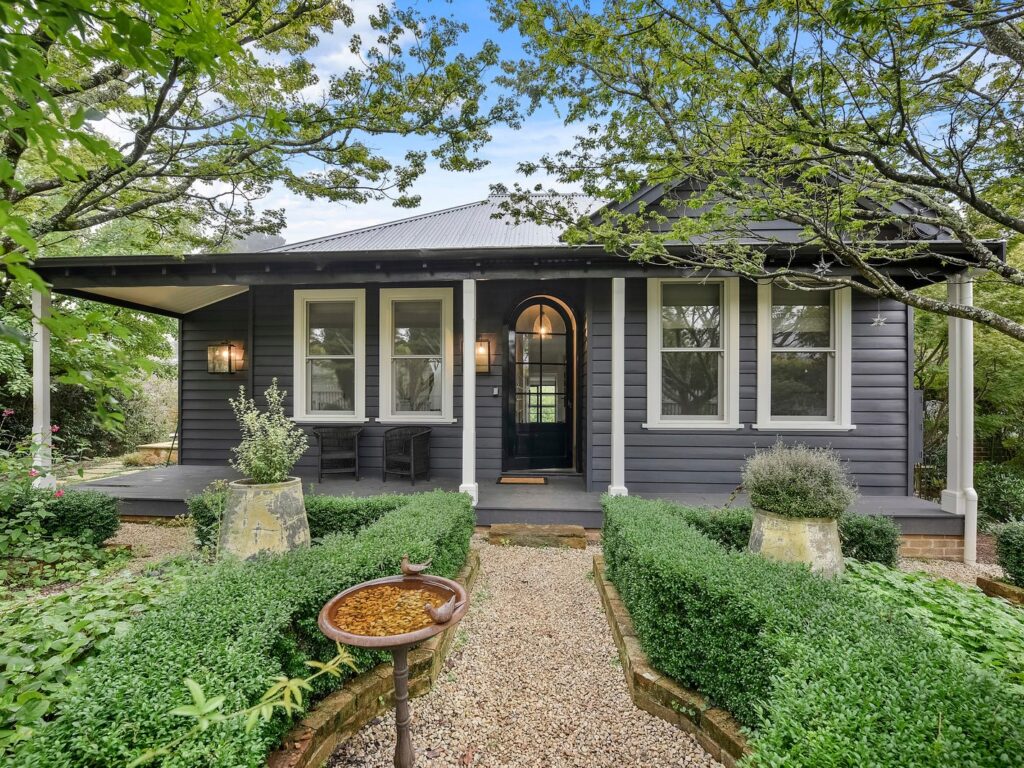
Key Features of Eco-Friendly Homes
So, what exactly makes a home eco-friendly in Australia? While there’s no universal blueprint, several features consistently appear in sustainable homes. These elements not only reduce environmental impact but also make the home more economical and comfortable in the long run.
- Solar panels and battery storage systems that provide renewable energy and reduce reliance on the grid
- Rainwater tanks and greywater systems that manage water efficiently
- High-performance insulation, double-glazing, and passive heating/cooling designs to reduce energy consumption
- Sustainable and locally sourced building materials like bamboo, recycled timber, and low-VOC paints
- Smart home systems that optimize energy use and detect inefficiencies
These features contribute to lower utility bills, improved indoor air quality, and a smaller carbon footprint. Over time, the return on investment becomes clear—not just financially, but in the form of better health and well-being.
Buying Sustainable Real Estate: What to Look For
For buyers interested in eco-friendly homes, understanding what to look for can make all the difference. A sustainable home should be assessed not just on appearance or location, but on its energy and environmental performance.
Before making an offer, consider the property’s orientation. Homes that are north-facing (in the southern hemisphere) tend to receive optimal sunlight in winter, reducing heating needs. Check whether the property has efficient insulation, quality window glazing, and natural ventilation. These elements lower reliance on artificial heating and cooling systems.
It’s also crucial to look at energy efficiency ratings. In Australia, NatHERS provides a star rating out of ten based on the home’s design and energy performance. A higher rating typically means lower energy use and better thermal comfort.
Ask about the age and condition of the home’s sustainable features. Are the solar panels still under warranty? Is the rainwater tank connected to toilets or irrigation? These practical details can help you evaluate long-term value.
Financing and Incentives for Green Buyers
Investing in sustainable property doesn’t just make environmental sense—it can also make financial sense. Several Australian states and territories offer rebates and incentives for eco-upgrades, such as solar energy systems and efficient appliances. This can make a big difference when budgeting for a new home.
Some lenders are now offering green home loans or eco-mortgages with reduced interest rates for buyers purchasing energy-efficient properties or committing to certain sustainable upgrades. These financial products reward buyers for making environmentally conscious decisions and can improve borrowing capacity.

Moreover, homes with sustainability features typically have lower running costs. Over time, these savings can offset any initial premium paid on the purchase price, delivering both financial and ecological returns.
Selling a Sustainable Home: Turning Green into Gold
If you’re a seller with an eco-friendly property, now is the time to highlight those features strategically. As demand rises for sustainable homes, marketing your property’s green credentials can significantly boost its appeal and selling price.
The key is clear, targeted communication. Don’t assume buyers will recognize or understand the value of solar panels or triple-glazed windows without context. Be prepared to demonstrate how your home performs better than standard homes in terms of energy efficiency, comfort, and cost savings.
Highlight green upgrades in listing descriptions and brochures. Provide documentation of energy savings, water usage reduction, or certifications like Green Star or NatHERS ratings. These details can build trust with environmentally conscious buyers and help justify a premium price.
Partnering with Real Estate Agents Who Understand Sustainability
Whether you’re buying or selling, working with a real estate agent who understands sustainable homes is essential. These agents can provide insight into local market trends, guide you through green certifications, and connect you with buyers or sellers who prioritize eco-conscious living.
For sellers, such agents can help position your home effectively, tapping into the right demographic and leveraging marketing tools that highlight eco-friendly features. For buyers, they can filter listings based on environmental priorities, ensuring your search aligns with your values.
With sustainable real estate still representing a niche (though growing) market, expertise is crucial. Not every agent will know how to properly assess or promote a green home, so don’t hesitate to ask about their experience with eco-properties.
Regional Variations and Sustainable Opportunities
Different regions across Australia present unique opportunities for buying and selling eco-friendly homes. In warmer areas like Queensland or Northern Territory, features like cross-ventilation, shaded outdoor areas, and solar energy are especially valuable. In cooler southern regions such as Tasmania and Victoria, insulation and passive heating strategies become more relevant.
Rural and regional towns are also embracing green living, often leading the way with off-grid solutions and community-based sustainability initiatives. These areas offer larger plots of land and more affordable entry points for those wanting to build or retrofit sustainable homes.
Moreover, the shift toward remote work has opened up possibilities in regional areas where green homes can be designed with more flexibility and less restriction from city development codes. This decentralization is helping spread sustainability beyond metropolitan boundaries.

Challenges and Misconceptions
Despite the advantages, there are still challenges and misconceptions surrounding eco-friendly homes. Some buyers worry that sustainable features are expensive or complex to maintain. Others may be skeptical about whether green homes truly deliver the promised savings.
In reality, many of these concerns stem from a lack of awareness. As more people become educated on the long-term benefits—both financial and environmental—these fears tend to fade. It’s also worth noting that the Australian government and private sector are investing in improving access to sustainable technologies and simplifying installation and maintenance.
For sellers, one challenge may be justifying the higher asking price. Not every buyer will immediately value the green credentials unless they understand the impact on their quality of life and monthly expenses. Education and clear communication are key to bridging this gap.
The Future of Green Real Estate in Australia
The shift toward sustainable housing in Australia is not a temporary trend—it’s part of a broader transformation in how we live, consume, and connect with the environment. As climate concerns become more pressing and energy prices fluctuate, eco-friendly homes will only grow in demand.
Innovations in green technology—from smart solar panels to AI-driven home energy management systems—are making it easier and more cost-effective to build and maintain sustainable homes. Meanwhile, the increasing integration of sustainability in building codes and urban planning ensures that future developments will prioritize environmental performance.
For both buyers and sellers, this evolution opens exciting opportunities. Investing in green homes today means not just participating in the housing market, but contributing to a healthier, more resilient Australia.
Eco-friendly homes offer a path forward that merges smart investment with responsible living. Whether you’re searching for a home that reduces your environmental footprint or selling a property that showcases years of sustainable design, the Australian real estate market is ready to reward your commitment.
By understanding what makes a home sustainable, navigating incentives, and working with knowledgeable agents, both buyers and sellers can thrive in this emerging green economy. The value of sustainability extends far beyond the transaction—it’s about legacy, lifestyle, and leading by example.
Now is the time to think green. In doing so, you’re not just buying or selling a property. You’re investing in the future.
Understanding Contracts When Buying & Selling Australian Real Estate
Buying or selling real estate in Australia is one of the most significant financial transactions an individual will undertake. Whether you are a first-time buyer navigating the complexities of ownership, or a seasoned investor looking to offload property, understanding the legal contracts involved is crucial. These contracts not only define the terms of the agreement but also protect your rights, clarify your responsibilities, and legally bind all parties to their promises. In Australia’s diverse and evolving property landscape, contract literacy is not a luxury—it’s a necessity.
The Importance of Contracts in Australian Real Estate
Contracts serve as the foundation of every real estate transaction. They outline what is being sold, at what price, under what conditions, and by when the transaction must be completed. Without a proper legal contract, verbal agreements or informal promises carry little to no enforceability. Australian law requires that all property sales be accompanied by written, legally binding contracts that comply with state and territory laws.
Each Australian state—be it New South Wales, Victoria, Queensland, or others—has specific requirements and statutory disclosures that must be included in the contract. Failing to adhere to these rules can render the contract invalid or expose parties to legal action. Therefore, understanding the role of the contract and what must be included can prevent delays, disputes, and financial loss.

What a Real Estate Contract Includes
The contents of a real estate contract can be detailed, but every legally binding document will generally include the following:
Parties Involved: Names and details of the buyer and seller
Description of Property: Legal title, address, and zoning information
Purchase Price: Agreed selling price, including deposit requirements
Settlement Terms: Date and conditions for finalizing the sale
Inclusions/Exclusions: Items such as fixtures, appliances, or garden sheds
Special Conditions: Finance clauses, building inspections, pest reports, etc.
Cooling-Off Period: A timeframe in which the buyer can rescind the contract
Each of these elements can dramatically affect the outcome of the transaction. For instance, misunderstanding what is included in the sale (like built-in furniture or garden equipment) can lead to post-settlement conflicts.
Cooling-Off Periods: Know Your Rights
Most Australian states provide a statutory cooling-off period for buyers—typically between two and five business days depending on the jurisdiction. During this time, a buyer can withdraw from the contract without incurring significant penalties, although a small fee may apply.
However, this cooling-off right doesn’t apply in every case. For example, if a buyer purchases at auction or waives this right in writing, they forfeit that protection. Sellers are not entitled to a cooling-off period. Knowing when and how this rule applies can be the difference between a safe exit and an expensive mistake.
Finance Clauses and Subject-to Conditions
One of the most common clauses in a property sale contract is the finance clause. This clause stipulates that the purchase is conditional on the buyer securing financing, typically within a set number of days. If finance is not approved within that time, the buyer can usually withdraw without penalty.

- Other “subject-to” conditions might include:
- Subject to satisfactory building and pest inspections
- Subject to sale of another property
- Subject to strata or title searches
These conditions protect buyers from unforeseen circumstances, but they also impact how the seller negotiates. Sellers may prefer offers with fewer conditions to ensure faster, cleaner settlements.
Conveyancers and Solicitors: Your Legal Guides
To navigate these complexities, most Australians engage a licensed conveyancer or property solicitor. These professionals review contracts, ensure statutory requirements are met, handle searches, calculate rates and levies, and liaise with the buyer or seller’s representatives.
Conveyancers are especially important in ensuring the transfer of legal ownership (called settlement) occurs smoothly. They also interpret clauses and negotiate changes to the contract on your behalf. Using a qualified professional may seem like an added cost, but the peace of mind and protection they offer far outweigh their fees.
Vendor Disclosure Obligations
When selling property, Australian law places a legal burden on vendors to disclose certain details upfront. These may include zoning restrictions, easements, land use limitations, strata rules, or known issues with the property.
Failing to include these disclosures in the contract can give buyers the legal right to cancel the transaction or seek damages. The seller’s conveyancer typically prepares these documents as part of a vendor statement (often called a Section 32 in Victoria).
By disclosing honestly and completely, sellers avoid legal trouble and reduce the likelihood of the sale falling through during the due diligence period.
Special Conditions and Legal Flexibility
Contracts can be customized with special conditions, but these must be written carefully. Poorly worded clauses can result in ambiguity, disputes, or unenforceable agreements. Common special conditions might include:
- Repair obligations before settlement
- Early possession clauses
- Rent-back agreements for sellers who stay temporarily after settlement
Both buyers and sellers must be cautious when inserting these clauses. It is vital to consult a legal professional who can draft the wording in a way that is enforceable and clear under state law.
Auctions vs. Private Sales: Contract Nuances
When buying property at auction in Australia, contracts are unconditional. There is no cooling-off period, and buyers are expected to have all finances, inspections, and legal reviews completed before bidding.
In private treaty sales, on the other hand, contracts are typically conditional. There’s more room for negotiation, including price, settlement dates, and conditions.
Understanding the type of sale and the rules attached to the contract format is essential. Buyers must do their due diligence in advance, while sellers must ensure that auction contracts meet legal disclosure obligations prior to the event.
Electronic Contracts and E-Signing
In today’s digital era, many real estate contracts are signed electronically. These e-signatures are legally binding in Australia, provided they comply with the Electronic Transactions Act. Buyers and sellers must still read the documents carefully and ensure their identity is verified before signing.
Digital contracts streamline the process, especially in remote or interstate sales. However, they must still meet all the same legal requirements as paper contracts, including properly signed statutory disclosures and accurate property details.

Risks of Not Understanding Your Contract
Entering into a real estate transaction without understanding the contract can lead to significant risks. Some of the most common consequences include:
- Financial penalties for missing settlement deadlines
- Losing your deposit by breaching the contract
- Unexpected responsibilities for repairs, land taxes, or council rates
- Legal disputes arising from vague or omitted clauses
For example, if a buyer assumes the contract includes window coverings and it doesn’t, the seller is not obligated to leave them behind. Misinterpretations like these highlight why legal advice is non-negotiable in property deals.
Read Before You Sign
Contracts are not just paperwork; they are the roadmap to your real estate deal. Whether you’re buying a family home or selling an investment property, the time you spend understanding your contract can save you stress, money, and legal trouble. Don’t skim the details or rely solely on your agent’s summary. Always read the contract in full and consult a professional who can explain the legal terminology in plain English.
In the ever-changing landscape of Australian property, being informed is being empowered. Contracts are your tool for protection and clarity—use them wisely.
How Population Growth Is Reshaping Buying & Selling Australian Real Estate
Australia’s real estate market is being transformed in profound ways by population growth. As national numbers rise, driven by overseas migration and internal shifts, the forces shaping where and how people buy or sell homes are evolving rapidly. From affordability crises to surging demand in regional areas, demographic trends are rewriting long‑standing assumptions about property supply, demand and investment dynamics.
Australia’s population boom and its drivers
Since the reopening of international borders, Australia has experienced some of its strongest population growth in decades. Net overseas migration has returned to levels above 440,000 annually, far exceeding pre‑pandemic averages, while interstate relocation patterns continue to shift demand toward certain regions. Census data shows Australia’s population stood at about 25.4 million in August 2021, having grown by 8.6 per cent since 2016. Forecasts suggest that by 2034 the nation could approach 31 million or more. This wave of demographic change is concentrated in key areas and is already pushing housing markets in new directions.

The mismatch between demand and supply
Population growth alone does not guarantee rising home prices—but when supply lags behind, the result is clear. Australia has been building substantially fewer dwellings than needed. Estimates suggest the annual shortfall may range from 60,000 to over 100,000 homes per year in recent years. KPMG has shown that even when new dwelling completions match population increase, rent inflation is likely to rise by about 0.3 percent per quarter—and when housing construction falls behind, rental pressure spikes even faster.
Regional and internal migration reshaping geography of demand
Population growth in Australia is not evenly distributed. Western Australia, Queensland and regional New South Wales have seen faster growth than major capitals in recent years. Perth’s annual population rise reached around 3.2 percent from mid‑2023 to mid‑2024, while South East Queensland continues to absorb a major share of interstate migrants, forecast to reach over 4.4 million people by 2031. This influx is generating extraordinary housing demand in previously moderate markets.
Capital and regional city price divergence
The property price trajectory across Australia reflects these population shifts. Since March 2020, regional areas have seen home values rise by over 56%, compared to approximately 34% in the capitals. Coastal and lifestyle towns, as well as inland regional centres such as Townsville, Rockhampton, Geraldton and Bunbury, have recorded growth rates exceeding 60%. Among capital cities, Perth, Adelaide and Brisbane have far outpaced Melbourne and Sydney in price growth: Brisbane led with nearly 69% price gains, adding roughly $364,000 in median value. Melbourne, still affected by prolonged lockdowns and internal migration losses, recorded the lowest capital growth at around 8.4%.
The elasticity of demand in rental markets
Growing populations have also driven rental pressure. CoreLogic’s national rental index increased by 37.6% since March 2020, far faster than household income growth. Regional rental markets outpaced capital cities: rents in regional areas rose more than 40%, versus about 36% in major cities. Tight vacancies mean tenants now bear much of the burden of affordability issues.
Investor appetite and housing affordability
Rapid population growth has boosted investor interest in high‑growth areas. Investors tend to target regions with rising demand and limited supply, creating upward pressure on both capital values and rental returns.

Yet this accelerating demand has raised concerns over affordability for first home buyers. Recent surveys show first‑time buyers missing out on homes due to financial pressure, ultra‑competitive bidding, and short settlement timelines. Many enter the market with low deposit levels, leading to mortgage stress and future regret.
Outlook: population propelling property into 2025 and beyond
Even as interest rates rise in 2024 and early 2025, experts forecast continued price growth. Domain and KPMG project anywhere from 3 percent to 6 percent annual increases for house prices in 2025, with Perth and Adelaide expected to grow most strongly. Apartment prices may lag, but units still expected to see mid‑single‑digit increases. A surge in population boosting demand will underpin this momentum, provided supply constraints persist.
How population growth is reshaping buying trends
Growing population triggers several key shifts in buyer behavior. Rather than dispersed buying across regions, specific areas and property types are drawing demand: emerging “million‑dollar cities” like Perth and mid‑price growth markets in Queensland and South Australia. More buyers are opting for larger homes to accommodate families and multigenerational living. Remote work flexibility has also driven demand for regional lifestyle properties, enabling buyers to trade city living for affordability and space.
Historically under‑priced suburbs are now surging. Auction examples include modest dwellings quadrupling in value within a decade—such as in Merrylands, Sydney, where a four‑bedroom home sold for nearly AU$1.98 million after selling for $660,000 in 2013. Even homes labelled “dumps” can fetch $3 million in strong markets like Brisbane’s Paddington, driven by scarcity of quality land and fierce bidding.
Sellers adapting to population‑driven market shifts
Sellers are now benefitting from high demand in growth corridors. Auctions receive unprecedented numbers of registered bidders, often resulting in near‑record clearance rates. In areas such as inner Sydney and Melbourne post‑rate cuts, renewed investor and owner‑occupier interest is revitalizing middle and inner ring neighbourhoods once overshadowed by affordability pressures in outer suburbs.
Value beyond simply price growth
Population growth reshapes more than just prices. It affects the scale and type of value people seek in real estate. Infrastructure expansion becomes critical: new housing corridors require schools, hospitals, transport and retail. Regions like South East Queensland are investing in planning to create balanced 20‑minute neighbourhoods that integrate residential and commercial developments—adding long‑term value to properties. As population surges continue, properties located near new infrastructure or planned growth zones command premium valuations.
Demographic shifts and housing lifecycle demands
An ageing population adds another layer of complexity. Australia’s share of residents aged 65 and over is expected to reach over 22 percent by 2056, putting strain on aged care infrastructure and demand for accessible housing types. Multi‑generational households, downsizers and retirees begin influencing demand for purpose‑built apartments, retirement communities or homes close to healthcare services.

Challenges: policy, taxes and sustainability
Policymakers face tension between supporting growth and mitigating overheating. Stamp duty reforms, negative gearing debates, and government incentives for first‑home buyers remain contentious. Some states are investigating off‑the‑plan contract reforms to avoid buyer exploitation. Sustaining supply pipelines requires coordination across state and local levels, especially given criticism that planning processes are too slow or restrictive for rapid growth areas like Melbourne, which is projected to reach 9 million residents by 2050.
Looking forward: what buyers and sellers must consider
As population continues to rise, buyers and sellers must think strategically. Buyers assess not only price and neighbourhood but long‑term infrastructure plans, vacancy trends, migration hotspots and demographic shifts. Sellers looking to time the market can leverage demand in growth corridors, but also must consider rising supply in new developments and shifting policy incentives.
Future opportunities may lie in regions under‑served by housing but poised for infrastructure expansion, such as parts of Queensland, northern NSW, South Australia and Western Australia. Investors keen on capital growth are focusing on areas where population growth significantly exceeds dwelling construction—and where long‑term migration and employment trends align with property fundamentals.
Why Retirees Are Buying & Selling Australian Real Estate in Lifestyle Communities
A New Chapter: Why Australian Retirees Are Downsizing
Across Australia today, retirees are selling their larger long‑term family homes and relocating into lifestyle communities—a move driven by a blending of financial strategy and a desire for a more purposeful, low‑maintenance lifestyle. Many have paid off mortgages on suburban dwellings, and by cashing in on those equity gains, they can buy into an over‑50s or over‑55s lifestyle community outright. At the same time, the property they leave often sells for well above average market value, while homes in lifestyle communities typically cost 75–80 per cent of median local house prices, representing considerable savings.
This trend is particularly amplified among baby boomers accessing their superannuation and looking to free up capital for retirement. Coastal towns such as Portarlington, Point Lonsdale, Paynesville, Mornington, Lorne, and regional New South Wales hotspots like Tuncurry and Forster are seeing a steady stream of retirees making the sea‑change or tree‑change lifestyle shift.
Financial Advantages That Matter
The financial appeal of lifestyle communities often starts with freeing up equity. By selling a large family home, retirees receive a lump sum that lets them buy a manufactured or modular dwelling within a lifestyle community at a fraction of the price in the suburbs. The land‑lease model available in these communities means the retiree owns their home but leases the land. That lease typically includes access to amenities and ongoing site maintenance in a weekly fee. The savings from purchasing at lower prices and avoiding stamp duty in some cases enable retirees to retain capital, secure a comfortable cash buffer, or invest elsewhere.
Another advantage is transparency around fees and the ability to keep any capital gain when the home is eventually resold. Unlike many retirement villages with high entrance or exit fees, several lifestyle communities offer clearer, more favourable financial arrangements that let residents catch the upside when they sell. Residents are often able to carry forward wealth rather than sacrificing it to developers or long‑term contracts.
Lifestyle Rewards: Community and Well‑Being
Beyond the financial calculus, retirees are drawn by the sense of belonging and well‑being that lifestyle communities offer. These age‑qualified estates often include landscaped gardens, clubhouses, gyms, pools, wellness centres, walking paths and organised social activities. The optional community life counters social isolation and promotes physical and mental health as people age.
Many operators such as Keyton and Ingenia emphasise a values‑driven approach, focusing on wellbeing, diversity and inclusion across their community offerings. Residents report improved life satisfaction, friendships, and opportunities to engage in hobbies, activities and new social circles.
Moreover, lifestyle communities cater to a more active demographic—nearly 40 per cent of residents continue working part‑time or engaging in hobbies. They are not dormant retirement centres but vibrant residential neighbourhoods tailored for over‑50s, offering flexibility and independence .

Ease, Maintenance, and Resilience
In a large legacy home, daily upkeep—from lawn mowing to roof repairs—can become burdensome as one ages. Downsizing to a single‑level dwelling designed for ease of living significantly reduces maintenance demands, enabling retirees to travel or enjoy leisure without stress. Many communities also provide lock‑up‑and‑leave peace of mind: managers monitor vacant homes when residents are away.
The land‑lease weekly fee structure typically includes grounds upkeep, shared area cleaning, and risk mitigation responsibilities. That predictable cost structure helps retirees plan with confidence, avoiding surprise bills or household chores that can wear down later in life.
The Broader Market Effect and Value Shift
The influx of financially able retirees into lifestyle communities is reshaping local property markets. Because many retirees buy in cash, they are less reliant on mortgages and often close deals quickly. Their presence in coastal or regional towns drives up demand—and, inevitably, prices—in those markets.
Economists now describe a “curse of paradise”: the very towns retirees move into for peaceful living become less affordable to others as property values surge. Long‑time locals and renters may face displacement as retirees bring liquidity into these buying hotspots. But for many retirees, this means their property has also appreciated significantly, so when they sell again or share wealth with family, they reap benefits.
Case Studies: Real People, Real Moves
In Victoria, the couple Cynthia and Colin Bates sold their suburban family home and moved into a Lifestyle Communities estate near Brisbane. They downsized into a smaller home at substantially lower cost and have more disposable income and time. In South Australia, Julie and Kevin Williams moved into an Adelaide hillside retirement village with starting entry costs near $600,000 to gain access to global‑travel focused social groups and care‑forward planning. Their stories echo a broader pattern: retirees selling large homes, cashing in equity, and investing in a more manageable, socially rich environment.
In Queensland, a $100 million development at Hervey Bay targeting over‑50s has been launched, with homes priced from around $565,000. The first phase included pool, spa, gym, cinema, and pickleball courts—enticing amenities designed to attract retirees keen on community and leisure living. In Townsville, an over‑50s lifestyle estate with up to 350 leasehold homes on 99‑year land leases was approved, promising shared wellness facilities and sports spaces.

Buying and Selling in a Lifestyle Community: What You Should Know
Transitioning into a lifestyle community is not always as simple as buying a regular home. Retirement villages and land‑lease communities can involve specific contracts, exit fees, and legal constraints. It’s important to obtain independent legal advice to understand purchase agreements, ongoing fees, resale terms and whether there’s an exit deduction or deferred management fee.
Having clarity on exit terms ensures retirees retain capital gains and avoid unexpected deductions when they eventually move on. Many lifestyle community operators promote transparency and provide resale support through dedicated resale teams, helping owners find new buyers when the time comes.
Social Impact: Embracing Community While Retaining Independence
A defining feature of lifestyle communities is balancing social connection with personal autonomy. Residents live in their own homes, maintain independence, and choose how much they engage in communal life. Activities, clubs, and communal spaces exist, but participation is voluntary. That flexibility gives retirees the best of both worlds: independence and the feeling of belonging whenever they choose.
Despite some reports that tightly gated villages may feel restrictive for vulnerable residents, others see lifestyle communities as empowering environments offering better quality of life, security, and peace of mind.
Why the Trend Will Continue
Demographics and economics suggest this shift will endure. More than 700,000 Australians are expected to retire in the next five years. Baby boomers hold roughly half of Australia’s private wealth. They are accessing funds, downsizing, and using their considerable financial position to influence the housing market. That much wealth entering lifestyle communities will continue to move markets and encourage new development.
Meanwhile, established developers like Lifestyle Communities, Ingenia, GemLife, Stockland and Mirvac are expanding their over‑50s land lease estates nationally. The land‑lease sector has grown into a $12 billion industry and supports over 130,000 residents. That supply expansion, combined with demographic demand, makes it clear retirees will remain major drivers in the market.

The Smart Move for Many Retirees
Selling a high‑equity family home and buying into a lifestyle community provides retirees with a powerful combination of financial flexibility, reduced maintenance, enhanced well‑being, and intentional living. They gain the freedom to explore, the support of a community of peers, and long‑term security—all without sacrificing financial gains or independence.
Whether motivated by lifestyle, liberty, health, or economics, more Australians approaching retirement are choosing to move into lifestyle communities as the smarter, more enriching next chapter of their lives. They are not just downsizing—they are upgrading their retirement experience.
Using a Conveyancer vs. Solicitor in Buying & Selling Australian Real Estate
When you embark on buying or selling property in Australia, it’s essential to choose the right legal professional to handle the conveyancing. You’ll often hear the terms conveyancer and solicitor used interchangeably—but they are distinct in qualifications, services offered, and cost. Understanding the differences helps you decide which one is best for your property transaction.
What Is Conveyancing?
Conveyancing is the legal process of transferring property ownership from one person to another or registering an encumbrance such as a mortgage. This process typically includes preparing and reviewing contracts, conducting property searches, calculating adjustments such as stamp duty and rates, lodging official documents, coordinating settlement and ensuring all financial and legal obligations are complied with. In Australia, most property transactions take four to six weeks to complete, although complex cases may take longer.
Who Is a Conveyancer?
A conveyancer is a licensed professional (often under state conveyancer licensing laws) whose sole focus is property transfers. They hold qualifications such as a diploma or advanced diploma in conveyancing and operate under state regulation—Consumer Affairs Victoria in Victoria, NSW Fair Trading in New South Wales, etc.. They may or may not be solicitors, but are legally permitted to hold trust accounts, lodge documents, and give conveyancing advice.
Who Is a Solicitor?
A solicitor is a lawyer admitted to practice law in Australia. Solicitors can perform all conveyancing tasks, but also provide broader legal advice and representation. A solicitor who specialises in property law is sometimes referred to as a conveyancing solicitor. They can handle complex legal issues that may go beyond standard conveyancing tasks such as contract disputes, litigation, or unusual easements or planning permissions.

When to Use a Conveyancer
Engaging a conveyancer is often sufficient for straightforward property sales and purchases. If you are dealing with a standard residential property with no unusual title issues, no disputes, and straightforward finance arrangements, a licensed conveyancer can manage your transaction more cost‑effectively. They ensure proper contract review, title searches, preparation of required documents, settlement coordination, and closing on time without surprises.
This is ideal if you’re a first‑home buyer, investor, or vendor where the transaction is clean, no litigation is anticipated, and you simply want efficient and affordable legal support.
When to Choose a Solicitor
You should consider using a conveyancing solicitor when there are complexities in the transaction that could involve legal advice beyond routine processes. Examples include:
- If vendor disclosures reveal issues such as heritage restrictions, solar easements, or unknown encumbrances requiring interpretation or negotiation.
- If there’s a dispute over contract conditions, deposit retention, or finance fallback clauses.
- If you face estate planning, trust, or power of attorney structures impacting ownership.
- If planning or zoning issues, strata matters, or recent renovations could trigger legal obligations.
- If you anticipate or experience fraud risks such as bank details interception or payment diversion scams. In fact, news reports have highlighted cases in which families lost more than AUD 500,000 due to scammers hacking conveyancer email systems.
A solicitor may be better placed to manage indemnity insurance issues or statutory liability in such circumstances.
Benefits and Value: Conveyancer
Using a licensed conveyancer can save you money and deliver efficient service. Many firms offer fixed‑fee packages that include all standard searches and disbursements. They specialise in property transactions, so their process is streamlined and client‑focused. They hold trust accounts, understand state‑based property laws, manage deadlines and ensure settlement occurs smoothly. Clients who want straightforward conveyancing without legal complexities receive reliable service at lower cost.
Benefits and Value: Solicitor
A conveyancing solicitor brings deeper legal expertise and full lawyer status. If any disputes arise, they can represent you in court or negotiate legal outcomes. They provide peace of mind when commercial or complex residential property issues surface. They interpret nuanced contract clauses, advise on tax or trust implications, represent you in the event of fraud claims, and offer post‑settlement legal support. This level of legal service often justifies the higher cost when the transaction carries potential risk or complexity.
Key Differences Summarised
Conveyancers focus exclusively on property transfer services, offering cost‑effective conveyancing for standard transactions. Solicitors offer conveyancing services plus broader legal advice and representation. Conveyancers are licensed for property law tasks; solicitors are fully qualified lawyers with ability to handle disputes, litigation, and complex legal frameworks.

Choosing the Right Professional
Begin by assessing your situation. For a clean, typical residential purchase or sale, a conveyancer is often ideal. Engage quotes from multiple licensed conveyancers and compare what services are included. Ask about fees, searches, settlement process, trust account handling, and communications policy.
If your property has complexity—legal disputes, unusual title issues, heritage or strata complications, trust holdings, or any legal risk—a conveyancing solicitor may be better. Also consider referrals and recommendations: while real estate agents sometimes refer conveyancers or solicitors, it’s wise to seek independent quotes to compare qualifications and fees rather than rely solely on referred contacts.
Ensure whichever professional you choose is licensed and insured. All licensed conveyancers and solicitors must hold professional indemnity insurance. Verify their regulatory status, area knowledge (such as familiarity with your state or council), and whether they have experience with transactions like yours.
When buying or selling Australian real estate, both conveyancers and solicitors fulfil critical roles in ensuring the legal transfer of ownership. A licensed conveyancer offers a focused, affordable option for standard property transactions. A conveyancing solicitor provides broader legal capability and is advisable when complexity or risk is present.
By understanding the differences in qualifications, scope, and cost, you can choose the right professional for your needs—and protect your interests whether you are buying your first home, investing, or selling property.
Why Brisbane Is Booming for Buying & Selling Australian Real Estate
In recent years Brisbane has emerged as one of Australia’s hottest real estate markets, capturing the attention of investors, home buyers, and real estate professionals alike. With consistent population growth, major infrastructure development, and attractive pricing compared to Sydney or Melbourne, Brisbane offers a unique blend of opportunity and lifestyle appeal. Let’s explore why Brisbane is booming for buying and selling real estate across housing, investment property, and regional developments.
Brisbane’s Population Surge and Lifestyle Appeal
Brisbane’s population has steadily grown as residents from southern states seek more affordable homes, warmer weather, and a relaxed yet modern lifestyle. Young families, professionals, and retirees alike are moving to Queensland’s capital, attracted by its riverfront living, parklands, sunny climate, and relative proximity to beaches and regional escapes. That demand has raised prices but still leaves Brisbane more accessible than eastern states’ capitals—boosting both first‐time buyer activity and investor interest.
Affordability Advantage Compared to Sydney and Melbourne
While house prices in Brisbane have risen, they remain significantly lower than in Sydney or Melbourne. This affordability has drawn interstate migration and investors seeking entry into Brisbane’s expanding market. With solid yields and less price volatility historically, Brisbane real estate provides a compelling balance of growth potential and risk management. Sellers can tap into growing buyer pools while buyers still feel they’re getting value for money.

Infrastructure Growth and Urban Renewal
Brisbane’s ongoing infrastructure projects—from Cross River Rail to new motorways and the expansion of rail networks—are transforming connectivity and accessibility. Urban renewal initiatives in areas like Fortitude Valley, Newstead, and Woolloongabba are injecting new residential, commercial, and entertainment precincts into the inner city. These projects elevate property values, stimulate local property turnover, and create development hotspots. Buyers are drawn to emerging suburbs revitalized through well‑planned public investments, while sellers benefit from the uplift in desirability and pricing.
Migration Trends and Strong Demand for Housing
International and interstate migration have been key catalysts behind Brisbane’s real estate boom. As Brisbane continues to attract professionals, entrepreneurs, and students from overseas and other states, rental demand remains high. Investors are capitalizing on tight rental markets and growing population flows. For owner‑occupiers, competition for family homes and apartments is intense—but those willing to move quickly often secure strong properties at reasonable prices, compared to the oversaturated markets of capital cities in the south.
Diverse Market Segments: Apartments, Suburban Homes, and Regional Investments
Brisbane’s real estate scene is more diverse than ever. Inner-city apartments appeal to downsizers, young professionals, and first-time buyers. Suburban homes in precincts like Redland Bay, Logan, and the Moreton Bay region offer larger blocks and family-friendly amenities. Meanwhile, regional and peri-urban areas such as Ipswich and Sunshine Coast hinterland present lifestyle-oriented buyers with investment potential fueled by infrastructure improvements. As each segment attracts different buyer types, the market remains active across price points, sustaining vibrant transaction volumes.
Investor Confidence and Yield Stability
For property investors, Brisbane’s long-running vacancy shortages and moderate to strong rental yields make it appealing. New supply is being delivered, but population growth is generally outpacing availability, supporting steady rental demand. Many suburbs report yields above national averages, giving investors confidence in ongoing returns. Combined with relative price stability, Brisbane is viewed as a balanced market: capable of price growth but not prone to serious bubbles like more overheated cities.
Government Incentives and Developer Activity
Queensland government incentives—such as First Home Owner Grants and stamp duty concessions—make entering the Brisbane market especially attractive for owner‑occupiers. Developers are responding with new apartment complexes, townhouse estates, and masterplanned communities. That pipeline keeps buyers and sellers actively engaged, with momentum from both new developments and established homes feeding into turnover and price growth.
Resilience Through Economic Diversification
Brisbane’s economy is becoming increasingly diverse—spanning tourism, education, healthcare, technology, and professional services. Major institutions, universities, and international events (including sporting and cultural functions) continue to bring people and capital.

This economic resilience underpins confidence in the property market, helping to mitigate downturns and support sustained buyer activity. Sellers benefit from a broad base of demand drivers, while buyers can enter the market with greater security about future capital values.
Migration of Remote Workers and Lifestyle Seekers
The shift toward flexible and remote work has enabled buyers to prioritize lifestyle over proximity to CBDs. Brisbane’s mix of riverfront neighborhoods, suburban tranquility, and access to nature appeals strongly to this target group. Buyers relocating from metro areas now seek homes with space and quality of life—without the price premium. Sellers are capitalizing by targeting digital professionals, lifestyle migrants, and dual-income couples looking for a better work–life balance.
Rising International Student Influx and Rental Market Support
With universities expanding and more international students choosing Queensland, demand for rental accommodation near university precincts remains high. Inner-city and student-friendly suburbs see strong occupancy rates. Local investors exploit this by purchasing apartments or townhouses near tertiary institutions. Buyers benefit from reliable rental income, and sellers can position properties to meet student or young professional demand. The built-in rental market support helps drive buyer interest and lift price benchmarks in these areas.
Value Growth Drivers: Urban Amenities and Investment Potential
Quality of life factors—the Brisbane River, bridges, cycling paths, riverside precincts, restaurants, arts, and open green space—enhance residential appeal. Areas along the river, such as New Farm, Kangaroo Point, and Bulimba, continue to attract buyers willing to pay premiums. At the same time, emerging suburbs with active development and infrastructure upgrades, such as Springfield and North Lakes, offer value pricing with upside potential. Both categories feed into high demand and frequent transactions.
Tilt Toward Renovation and Value-Add Projects
Renovation and smart value-add strategies are increasingly popular in Brisbane. Older homes in suburbs like Alderley, East Brisbane, and Chermside offer opportunities for buyers to improve value through renovations or subdivision. Sellers in these suburbs are drawing buyers seeking fixer-uppers or projects with potential. This has widened participation in the market: buyers who seek renovation projects, and sellers capitalizing on rising finishes based on previous rounds of inner-suburb refurbishments.
Economic Forecasts and Market Momentum
Economists often project Brisbane’s property market growth to continue moderately, supported by demographic drivers and new supply constraints. While growth rates may vary, sustained demand ensures that both buyers and sellers can operate in a confident, stable environment. Sellers coming to market in areas with strong infrastructure and amenity development often achieve good results. Buyers entering early in emerging suburbs still find value before mass upward pricing changes.
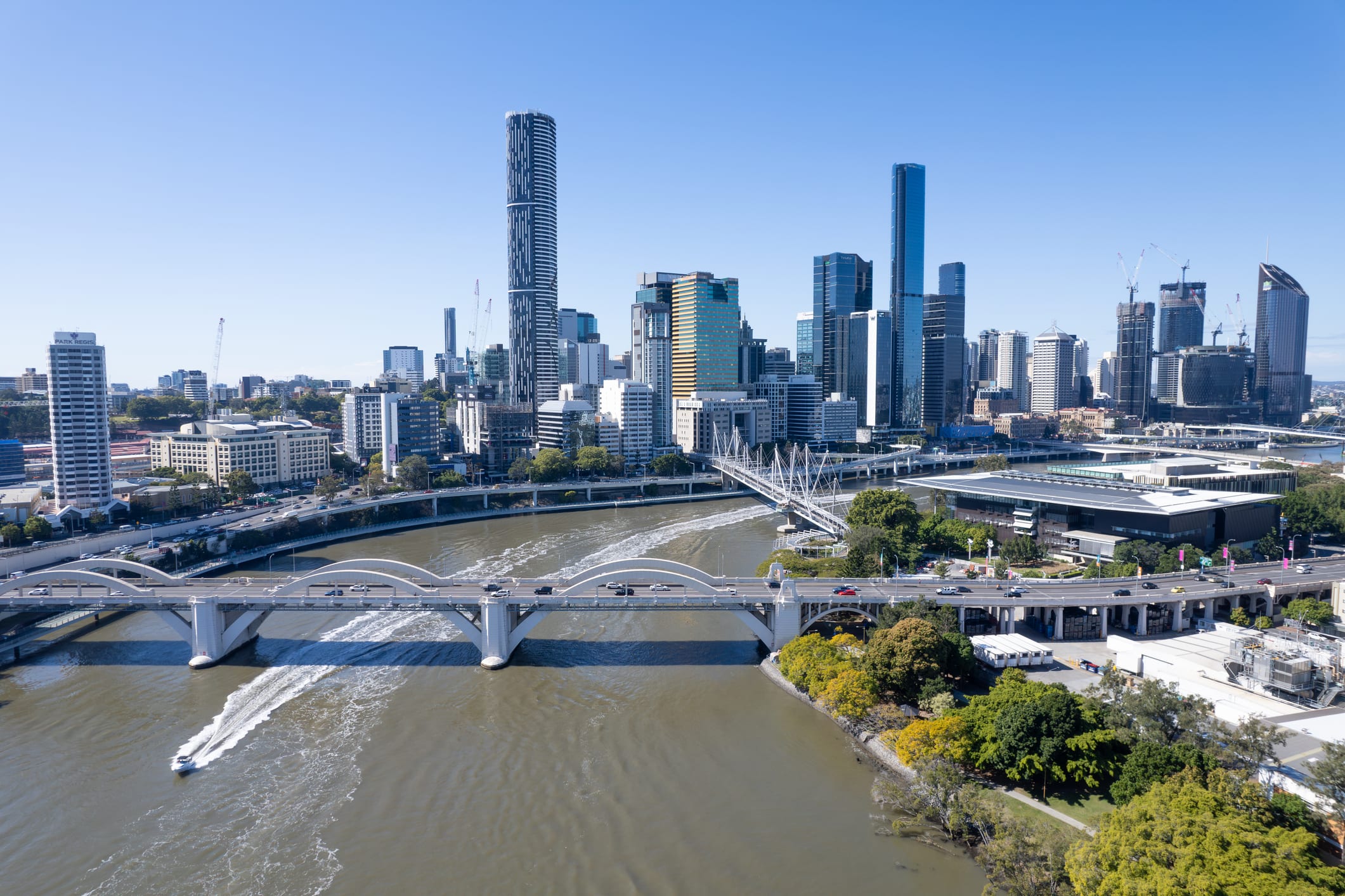
Community Appeal and Long-Term Residency Trends
Brisbane is increasingly seen as a place where people settle long-term. Community orientation, lifestyle amenities, and family-friendly environments contribute to long residency trends. That steadiness supports low turnover and increases demand for existing listings when people do decide to move. Sellers benefit from limited resale stock, while buyers are often competing for desirable listings—this dynamic helps maintain market activity.
Tips for Downsizers: Buying & Selling Australian Real Estate in Retirement
Downsizing is a significant decision many retirees make in Australia. It allows homeowners to simplify their lifestyle, unlock equity, reduce maintenance, and relocate to communities that better suit their needs. However, navigating the property market—both as a buyer and a seller—can be overwhelming. These tips will guide you through key considerations, step by step.
Understanding the Downsizing Decision
When thinking about downsizing, retirees must weigh emotional ties, lifestyle goals, financial impacts, and property market realities. The goal is not just to trade one home for another, but to improve quality of life. Downsizing often means moving from a large family home into a more manageable space—perhaps a modern apartment, townhouse, or even a villa within a retirement community.
Retirees need to identify what they really want at this stage of life. Is it proximity to family, access to medical services, community facilities, or reduced costs and maintenance? Answering these questions helps clarify the type of property that offers the best fit.
Positioning Your Current Home for Sale
Selling your existing home successfully in retirement requires thoughtful preparation. First impressions matter enormously. Ensuring that the property is clean, decluttered, repaired, and presented well can attract potential buyers more quickly. Homes that are easy to maintain and present as move-in ready often command better offers.
Timing the sale matters too. Market conditions fluctuate across Australia. Aim to list when demand is strong—for instance, spring or autumn—and align this with your expected purchase timeline. Engage a real estate agent experienced in downsizing and retirement transitions. They can help price your home wisely, often based on comparable sales in your suburb and recent local trends.
Leveraging professional photography and staging services can make your listing stand out. Even modest updates or simple styling touches create a perceived value boost. Clear communication in marketing materials about the home’s benefits for retirees—like single-level living, low maintenance gardens, or access to local amenities—can also attract the right buyers.

Maximising Sale Value Without Excessive Costs
Retirees may be concerned about investing money in a sale process. However balancing cost and return is essential. Focus on strategic upgrades rather than major renovations. Minor cosmetic updates—fresh paint, new blinds, updated fixtures—and garden tidying often provide high return on investment.
Honesty about the condition of your home builds trust with potential buyers. Be upfront about maintenance issues or irregularities. This reduces the risk of late-stage negotiations or buyer withdrawal. A pre-sale building and pest inspection for your own information—including a copy for potential buyers—can communicate transparency and confidence in the process.
Navigating the Australian Real Estate Market as a Buyer
Once your current home is on the market, planning the purchase of your downsized property becomes crucial. For many retirees, cash from the sale will fund the next purchase. But bridging finance or temporary living arrangements may be needed while waiting for acceptance of your ideal offer.
Decide what form of property suits your lifestyle best. Some retirees prefer apartments with lifts and security. Others look for retiree villages offering community activities, communal spaces, and on‑site support. Some may favour a freehold townhouse close to family or services. Recognise zoning rules, strata by‑laws, body‑corporate fees, and ongoing costs.
Because many retirees are moving out of larger homes, storage and space planning become important. A compact but well‑designed property may feel spacious if storage is cleverly integrated. Assess accessible features like step‑free entries, wide doorways, single‑level layouts, and ease of mobility.
Financial and Tax Considerations
Downsizing can unlock a lump sum of equity, which may be directed toward retirement savings, superannuation, lifestyle spending, or even travel. In Australia, the government offers the “downsizer contribution” scheme that allows eligible retirees to make a non‑concessional contribution into superannuation of up to $300,000 from the sale proceeds of their home, helping to boost retirement income without affecting existing contribution caps.
Be sure to consult a financial advisor or tax accountant to understand how the downsizer scheme applies, eligibility criteria, potential tax benefits, and how it fits within your broader retirement planning.

Emotional and Lifestyle Shifts
The emotional side of downsizing is often underestimated. Leaving a long‑term family home can bring sadness and nostalgia. It helps to involve family in the process—sharing memories, selecting items to pass on, and deciding what belongings are truly needed in the next home.
Lifestyle planning is just as critical. Will the new suburb offer the amenities you want: cafes, parks, medical facilities, public transport? Are there social clubs, classes, or interest groups nearby to keep you engaged? Downsizing is not only about selling bricks and mortar—it’s about embracing a lifestyle that aligns with retirement priorities.
Managing the Transition Smoothly
Coordinating sale and purchase timelines prevents unnecessary stress. If possible, synchronise settlement dates so you aren’t displaced or paying double for housing. When there’s a gap between selling and buying, consider short‑term rental or living with family for minimal interim occupancy cost.
Moving services and downsizing firms can assist with sorting, packing, and transitioning possessions. Some non‑profits or community groups assist older Australians with decluttering, donation collection, and disposal. Engaging help early can reduce stress and create a smoother move.
Legal and Practical Essentials
Property transactions require attention to legal details. Retirees should engage a conveyancer or solicitor to review contracts, clarify special conditions, stamp duty implications, and settlement schedules. Strata titles and body‑corporate documents must be scrutinised for restrictions or fees in new properties, especially for retirement village purchases which may include exit fees or occupancy rights regulations.
Also check on council zoning, potential land tax exposure, and any lease or residency agreements attached to retirement community purchase.
Ensuring Accessibility and Future Needs
When choosing a downsized property, consider future mobility and health needs. Single-level design is usually preferable to stairs. Features like wider doorways, walk-in showers, lever taps, and slip-resistant flooring enhance accessibility. Properties designed for aging-in-place may have provisions for assistive devices in bathrooms or ramps. If health needs evolve, ensure that the property can accommodate changes or modifications.
Good proximity to healthcare services, public transport, and shopping precincts should be a priority. Retreating deeper into remote areas may reduce purchase price, but could limit access as mobility or support needs increase.
Reviewing Community and Social Connections
Downsizing really shifts one’s social environment. Some older Australians feel isolated if they leave established neighbourhoods or community ties. It’s worthwhile to research local community centres, volunteer groups, regular classes, or retirees’ clubs in the area. Retirement villages often offer social programs, but be sure to visit, observe, and ask about participation, resident turnover, and community culture.
If staying within a familiar suburb, consider the age profile of the area. Younger demographics may offer liveliness, though may lack peer groups. Retiree clusters may provide companionship but could be less dynamic.
Making the Move and Settling In
Once contracts are exchanged and settlements confirmed, plan the actual move carefully. Use the weeks before moving to declutter, sort, and donate or sell items that won’t fit the new space. Label boxes clearly with room names. Have an essentials box ready for the first days in the new home.

Change-of-address, utilities transfers, and mail redirection should be done in advance. Notify relevant services—bank, Medicare, centrelink, subscriptions, and community contacts—to avoid gaps in communication.
Reflecting and Adjusting After Downsizing
Even a well-planned move can feel strange at first. Give yourself time to adjust to the smaller living space and new environment. Embrace the benefits: less upkeep, lower costs, and more freedom. Keep connected with friends, neighbours, or local groups.
Monitor your finances post-move. If you’ve invested proceeds or contributed to superannuation under the downsizer scheme, review performance and income generation periodically with your financial advisor.
Timing the Market: When to Buy and Sell Australian Real Estate for Maximum Return
Understanding when to buy and sell property in Australia is more than lip service—it’s a strategic art that can significantly impact your returns. The real estate landscape in Australia behaves cyclically, influenced by shifting economic conditions, population growth and supply‑demand dynamics. Learning to align your investment timing with these cycles is key to unlocking maximum capital gains and minimizing risks.
Australian Property Market Cycles and Their Phases
The Australian property market typically moves through four stages: boom, downturn, stabilisation and upturn. Historically, house prices have doubled roughly every seven to eight years, though recent data suggests cycles may stretch closer to 15–18 years. In the boom stage, prices rise rapidly as demand outpaces supply. This usually lasts 1–2 years and sees strong buyer activity. The downturn follows, marked by oversupply, softer demand and falling prices—often lasting three to four years. Stabilisation occurs when supply and demand balance, and prices level off. Finally, the upturn begins: demand returns, vacancy rates fall and prices begin climbing again—typically a three‑ to four‑year period.
Each state and sometimes suburb can be at different points in these cycles. Melbourne, for example, lagged behind Perth and Brisbane in recent years but now appears to be transitioning toward growth, as interest rate cuts in 2025 reignite demand in inner and middle suburbs.

Why Timing the Market Can Work
Buying early in the recovery phase or downturn allows you to enter at relatively low prices and benefit as the cycle progresses. Investors who strategically purchase at the beginning of growth can achieve significant capital gains, often doubling their investment over 7–10 years.
Case studies show that couples who purchased in emerging growth regions like Newcastle have seen returns as high as 50 percent in a few years, and reinvested profits into other high‑growth suburbs to amplify long‑term wealth.
Being attuned to supply and demand indicators, local affordability, vacancy rates, and sentiment can give investors an edge when identifying windows of opportunity.
Why Timing the Market Can Work
Buying early in the recovery phase or downturn allows you to enter at relatively low prices and benefit as the cycle progresses. Investors who strategically purchase at the beginning of growth can achieve significant capital gains, often doubling their investment over 7–10 years. Case studies show that couples who purchased in emerging growth regions like Newcastle have seen returns as high as 50 percent in a few years, and reinvested profits into other high‑growth suburbs to amplify long‑term wealth.
Being attuned to supply and demand indicators, local affordability, vacancy rates, and sentiment can give investors an edge when identifying windows of opportunity.
Why Time in the Market Often Beats Timing the Market
Despite its appeal, market timing is notoriously difficult. Economic variables—interest rates, population growth, government policy—can shift unexpectedly. Delaying a purchase in hopes of catching a dip may backfire if prices keep rising. Analysts note that time in the market usually trumps timing, as compounding growth over decades outweighs marginal gains from perfectly timed transactions. One Australian expert emphasizes that long‑term investing—holding assets for more than 20 years—puts compound growth and financial security first, rather than chasing market peaks and troughs.
Moreover, property transaction costs such as stamp duty, agents’ fees and legal expenses can erode gains from short‑term flips, making buy‑and‑hold strategies often more efficient in the long run.
Seasonal and Calendar Effects in Australian Real Estate
Beyond the multi‑year cycle, there are seasonal patterns within each year. Most markets see heightened activity in spring and autumn when weather is favorable and listings are plentiful. But data reveals that November is the single best month to sell nationally, with prices averaging about 0.78 percent above yearly norms, translating to nearly AUD 7,000 extra on an average property. In Melbourne, October yields the highest sale premiums—about 1.1 percent above average, or roughly AUD 10,500 extra on a mid‑priced home.
Conversely, June tends to be the cheapest month to buy, with average prices around 1 percent below annual norms. Winter months often present less competition and more pricing leverage for buyers. Listing seasons also matter: new‑year listings post‑Australia Day, post‑Easter autumn campaigns, and pre‑Christmas pushes each have their own supply and buyer sentiment effects .

Aligning Strategy with Market Phase and Timing
In a downturn phase, investors and owner‑occupiers may benefit from lower prices, especially in areas with strong fundamentals such as inner‑city suburbs or regions with infrastructure investment. It pays to buy when sentiment is weak but fundamentals remain intact. During recovery, demand begins to return, vacancy rates tighten and early buyers often catch the most growth through the upturn and boom.
If you’re in a boom phase, selling yields maximized returns—but timing is critical. Selling in October or November, especially in metro markets like Sydney or Melbourne, often translates into tangible extra premium. But if you’re holding for the long term, you may decide to retain property through the peak to ride further compounding gains.
Risks and Pitfalls of Timing the Market
Predicting cycles correctly is nearly impossible. Mistiming your entry or exit can be costly. Waiting for a downturn that doesn’t materialise may mean buying at a later, higher price. Selling prematurely can leave you out on future growth. Transaction costs add up quickly. And liquidity in property is limited—you can’t always act instantly.
Attempts to time the market can lead both investors and homeowners into speculation and stress, rather than allowing the fundamentals and your financial plan to guide decisions. As one commentator warns, decisions based on expected market shifts can spectacularly go wrong when the market proves unpredictable.
How the 2025 Australian Market Context Shapes Timing Decisions
At present, Australia’s property market is exhibiting the tail end of a growth cycle in many regions, with strong performance continuing in Perth, Brisbane and Adelaide. Melbourne appears to be nearing the end of its flat period and possibly entering an upturn, supported by upcoming interest rate cuts in 2025.
Standalone houses are outperforming apartments by a wide margin, with detached dwellings expected to grow around 6 percent per annum in 2025–26, but apartments lagging significantly. Meanwhile, legislation changes, including proposals around capital gains tax discounts, may affect investor behaviour in new apartments versus established housing.
For first‑time buyers, the competition is fierce; many are overextending or missing out on properties entirely. That may influence timing: rushing to buy may be less desirable than patiently targeting entry during a seasonal lull or regional downturn with strong fundamentals.
A Hybrid Approach: Smart Timing Within a Long‑Term Strategy
For most, a balanced approach yields the best outcomes. Adopt a long‑term investment horizon while still paying attention to seasonal and cyclical signals. Buy during early recovery phases or seasonal dips like June or winter months when pricing is slightly softer. Sell during peak seasonal months such as October or November in metro areas if your property is at or near the top of its local cycle. Avoid rushing decisions based purely on short‑term market noise.

Stay focused on areas with sound fundamentals: infrastructure, job growth, demography and affordability. Use market indicators—clearance rates, days on market, vacancy rates—to assess supply and demand shifts. Work with professional advisors who understand local submarket cycles.
Timing with Wisdom, Holding with Patience
Timing the market offers potential for accelerated gains if you buy near the bottom and sell close to the peak. But it is fraught with risks, uncertainty and cost. Time in the market—holding quality property over the long term—provides stability, compounding growth and peace of mind.
The strategy that maximises return in Australian real estate is a measured blend: make well‑timed entries in downturns or early recovery, capitalise on seasonal advantages for selling, but always keep a long‑term core investment mindset. Buy when conditions are favourable, hold through cycles, sell when the time is right—and let time in the market work its compounding magic.
How to Choose the Right Agent for Buying & Selling Australian Real Estate
Choosing the right real estate agent is one of the most important decisions you’ll make when buying or selling property in Australia. A skilled agent can help you get the best price, navigate complex negotiation, and make the process smooth and stress‑free. But with so many options, how do you decide on the one who is right for you? Below are key factors to guide your decision.

Research Agents’ Local Track Record
Begin with research. Look online and in your suburb at agents who are active and recent sales they’ve handled. Metrics like average days on market and auction clearance rates provide insights into performance. A consistent track record of sales in your specific neighborhood or property type signals competence and expertise.
Visit realestate.com.au or domain.com.au to find agents with strong local activity and positive reviews. Don’t rely solely on who advertises most; focus on actual results, not just volume.
Prioritize Deep Local Knowledge
Local expertise matters enormously. The ideal agent should be intimately familiar not just with property values, but also with local amenities, school catchments, zoning, transport links, and community vibe. An agent who lives or owns property in the area is often more motivated and knowledgeable.
When interviewing agents, ask them about recent comparable sales nearby. Gauge whether they can explain local market dynamics clearly—fluctuations in demand, buyer demographics, seasonal trends. Their ability to articulate this well signals credibility.
Observe How They Interact With Buyers
Your agent represents you and presents your property. Observing how they conduct open homes or auctions can reveal a lot. Attend inspections being hosted by agents you are considering; watch how they engage with prospective buyers—do they encourage questions, follow up afterward, and show genuine interest?.
An agent who is proactive in nurturing inquiries, not just passive and aloof, is more likely to reach the right buyer. Ask whether they personally call everyone who attends open inspections, whether they track inquiries and follow up methodically.

Ask the Right Questions
When meeting agents, don’t be shy—ask plenty of questions and listen to how they respond. Ask about their approach to marketing, what channels they use, how they price your property, and what contingency plans they have if the campaign underperforms.
Good agents will share case studies and examples of prior campaigns: how long the property remained on market, whether the sale was at or above asking, and lessons learned. You want to understand not just outcomes but strategy.
Look for Transparency and Professionalism
Strong communication, honesty, and transparency are essential. Agents who promise a much higher price than comparable appraisals may simply be over‑promising to win your business and could disappoint later.
Refuse agents who use shady tactics—some have been criticised in the Australian press for fake offers to manipulate buyers. Choose someone who is clear about fees, upfront about their expected performance, and provides regular updates. Proven agents share weekly reports showing:
- Number of inquiries
- Visitor counts
- Marketing reach and engagement
- Adjustments to strategy when required
- com.au
- Check Credentials and Reputation
Seek out testimonials and references. Ask previous clients and look for verified reviews. Agents without testimonials or unwilling to share them may lack credibility. Validate their claim of having sold similar properties.
Avoid agents who are quick to slash commission. Offering steep discounts often suggests lack of confidence in their own ability. While commission matters, reputation and effectiveness should matter more.
Align on Strategy and Expectations
Ensure the agent’s strategy fits your goals. Selling a luxury waterfront home in Brisbane differs from listing a townhouse in an inner‑city suburb. The agent should tailor marketing, staging, photography, and pricing to your unique property and buyer profile.
Discuss benchmarks upfront. Set clear objectives: expected days on market, target price range, number of showings per week, etc. A good agent lays out a campaign plan with milestones and alternative approaches if market response underwhelms.
Evaluate Rapport and Trust
Even with stellar credentials, you need to feel comfortable working with your agent. Real estate is personal and potentially emotional. You should feel respected, heard, and understood.
One Redditor put it well:
“You have to spend time chatting to a few agents until you find one you feel you can trust … one you can handle when they inevitably call you saying ‘this offer may seem low but the market has softened’.” Trust and ethics matter. Jordan Bulmer, a Sydney‑based agent, emphasises transparency and rejects deceptive tactics like fake offers. Choose someone who reflects high moral standards.
Understand the Cost vs. Value
While commission is often the first thing sellers compare, the cheapest agent may yield the worst outcome. An agent with a higher fee but greater marketing reach, negotiation skill, and market knowledge can net you significantly more at settlement.
Look for agents who earn their fee through performance and can justify it. They will explain how marketing spend, professional photography, staging, digital ads, even copywriting, adds value, not just cost. They should defend their fee as fair given the return you get.

Buyer’s Agent vs. Seller’s Agent: Different Roles
When you’re buying rather than selling, a buyer’s agent can offer expertise in finding properties, evaluating value, negotiating, performing due diligence, and advising on offers and contracts. Buyer’s agents specialize in advocating for you rather than negotiating with you. They can be especially useful in competitive markets.
Evaluate whether the agent you choose has experience representing buyers in your target suburb or price range. Ask about their connections, ability to access off‑market listings, negotiation success, and how they manage inspections and offers. Buyer’s agents should also demonstrate local expertise and integrity.
Buying & Selling Australian Real Estate in High‑Growth Suburbs
The Appeal of High‑Growth Suburbs in Australia
In Australia, suburbs undergoing rapid growth often deliver exceptional capital appreciation and rental returns. Whether driven by infrastructure projects, employment hubs, or lifestyle attractions, these areas attract both investors and homeowners seeking value and future upside. In recent years, suburbs surrounding major cities like Sydney, Melbourne, Brisbane and Perth that benefit from rail extensions, commercial precincts or university precinct expansion have consistently outperformed broader market averages.

Identifying High‑Growth Suburbs
Spotting high‑growth suburbs requires understanding the local drivers. Government infrastructure commitments such as new train lines or highway upgrades, increasing population and migration flows, commercial and educational developments, and a youthful demographic profile all indicate potential for growth. Properties in these suburbs tend to attract interested buyers quickly, leading to tight vendor markets.
Buying in High‑Growth Suburbs: What to Consider
Successful buying in high-growth suburbs demands rigorous research. First, examine transaction history: what prices properties have sold for in the past few years compared to current listings. A strong upward trend signals demand momentum. Second, scrutinize upcoming infrastructure, as these often translate into positive price shifts. Third, look at rental affordability and vacancy levels—low vacancies and steady rent increases confirm strong rental demand. Fourth, study supply pipelines—new apartment towers or housing estates can later ease price pressures or competition. Last, assess the suburb’s character: close proximity to good schools, cafes, parks and public transport enhances both rental and resale appeal.
Financing and Strategy
Financing properties in high‑growth suburbs is generally the same as wider markets, but strategists often choose an investment structure. Many investors favour negative‑geared loans combined with high rental yields in the early years while capital appreciation builds. Others may aim for positively geared or cash‑flow‑neutral purchases when rental demand is exceptionally strong or yields exceed borrowing costs.

Structuring questions around tax (especially if using trusts or companies) must be discussed with a qualified accountant. Making maximum use of available tax deductions—loan interest, depreciation, property management fees—and planning for capital gains tax on resale is essential.
Selling Strategies for Maximum Gains
When it comes to selling at peak value, timing is everything. Listing during a local price peak—often aligned with new infrastructure announcement completion—affords better negotiating power. Preparing the property well matters: professional cleaning, minor renovations, updated landscaping, staging, and high‑quality photos can elevate perceived value without heavy costs. Choose marketing strategies targeting owner‑occupiers or investors appropriately, depending on the local buyer demographic. Pricing competitively while leaving room for offers encourages bidding war dynamics. Working with an agent experienced in that suburb usually results in faster sale and stronger net return.
Case Study: A Hypothetical Suburb
Imagine Emma bought a three‑bedroom townhouse in a Sydney‑fringe suburb in 2020 for $750,000. At the time, the area was slated for a new metro station planned to open in 2024. Rents averaged $650 per week. She held for five years while rents rose 3 percent annually and local buyer demand boomed as the station neared completion. By mid‑2025 she sold for $1.2 million. Accounting for costs, her net profit was substantial—supported by both strong year‑on‑year rent roll and steady capital growth. Her strategy was rooted in buying early, understanding infrastructure impact, and planning exit during peak demand.
Risks and Pitfalls
Even high‑growth suburbs carry risks. Too much new stock can temporarily depress prices or rental returns. Lending restrictions or investor caps may slow demand. Broader economic downturns can erode buyer confidence and slow growth. Changes in government policy—such as alterations to negative gearing rules or land tax thresholds—can influence returns. Buyers and sellers must remain agile, avoiding overly speculative decisions or tying up funds in illiquid assets without contingency strategies.
The Role of Agents, Platforms and Tools
Engaging skilled local agents who have in‑depth knowledge of suburb dynamics is invaluable. They understand buyer demand, know recent comparable sales, and can advise on timing. Investors increasingly leverage digital platforms—marketplaces, property data tools and analytics—to track suburb value trends, historic capital growth rates, rental yield benchmarks, vacancy levels and supply pipeline. Some online platforms even offer suburb comparisons, household income averages, and demographic shifts to support decision‑making.
Long‑Term Investment Perspective
Australia’s high‑growth suburbs often deliver best when held with a long‑term horizon. Even if short‑term rental yields fluctuate, capital appreciation over 5–10 years tends to emerge as stable demand solidifies, infrastructure is completed, and employment or education institutions establish roots. Investors who buy quality assets in growing suburbs and manage them proactively—with modest upgrades, responsive property management, and rent reviews—tend to capture superior total returns.
Owner‑Occupier Considerations
While investors dominate high‑growth suburb discourse, owner‑occupiers benefit significantly too. These suburbs often deliver lifestyle improvements: better schools, transit lines, shopping and recreation. Buyers focused on lifestyle and quality of life should measure proximity to amenity, future development plans, and resale potential—particularly if they may move again within a 5–10 year period. For families, access to good schools and safe public spaces is a major pull. First‑home buyers can also benefit, especially where government grants and incentives apply.
Navigating Fees and Taxes
Successful transitions require prudent planning around transaction costs. Stamp duty in Australia can be significant—often several percent of purchase price—though first‑home buyer exemptions or concessions may apply in some states for qualifying price caps. Agent fees for selling typically range from 1.5 percent to 2.5 percent, plus marketing. Capital gains tax implications on eventual resale must be forecasted—assets held longer than 12 months in personal name may attract a 50 percent discount for individuals, but not for companies. Depreciation claims, negative gearing benefits, and deductible expenses all require careful tracking.

Emerging High‑Growth Suburbs of 2025
As of mid‑2025, analysts point to several Australian suburbs showing strong indicators. These include areas in Brisbane and Melbourne where new mass‑transit lines are underway; Perth suburbs near regional business parks; and some Sydney‑fringe corridors seeing renewed residential‑commercial planning. Each area reflects a confluence of infrastructure investment, population growth, relative affordability and improving amenity.
A Balanced Approach
Buying and selling real estate in high‑growth suburbs in Australia can result in outstanding returns, but success requires research, timing and strategic planning. Whether as an investor or owner‑occupier, prioritising suburbs with demonstrable drivers—such as infrastructure, rising demand, and constrained supply—offers the best prospects. Long‑term holding, sound property condition management, understanding tax and financing implications, and choosing professional advice wisely ultimately determine outcomes. While no investment is risk‑free, adopting a disciplined, data‑informed approach helps unlock the value that high‑growth suburbs may deliver.
Navigating Rural Property: Buying & Selling Australian Real Estate in Regional Australia
Rural property in regional Australia is capturing increasing attention—from investors seeking strong rental yields and land-backed capital growth, to families and retirees chasing a lifestyle change. After decades of city‑centric growth, regional markets are now thriving thanks to affordability, infrastructure investment and a cultural shift toward more balanced, spacious living. This post explains both sides of the transaction: buying with clarity and selling with confidence, all while highlighting the unique benefits, risks and practical steps across Australia’s rural landscape.
Why Regional and Rural Properties Are Gaining Momentum
Over the last decade farmland values have more than doubled, driven by global food demand, commodity cycles and shifting lifestyle priorities. Meanwhile, many cities remain out of reach for average buyers, making regional zones 30–50% more affordable and more attractive for investors and tree‑ or sea‑changers alike.
CoreLogic data from 2024 reveals regional dwelling values rose by around 6%, outpacing capital cities at 4.5% growth. As remote work stays common, rental demand in regional centres has intensified, offering better yields than major cities—approx. 4.4% vs 3.5% gross return.
Government funding such as infrastructure upgrades under the regional development initiatives, and improvements to freight and transport corridors, are boosting both liveability and long‑term capital growth in regional Australia.

Understanding the Buyer Perspective
What Buyers Seek in Rural Property
For many buyers, the appeal of rural real estate is more than price—it’s the lifestyle: space, nature and community. Towns within commutable distance to capitals (so‑called ‘near regions’) like Geelong, Ballarat and some parts of Queensland and NSW are especially attractive. Investors, meanwhile, look for land-backed assets and rental opportunities in family‑friendly areas that attract tenants who pay above‑average rents thanks to high local demand.
Essential Due Diligence When Buying
Buying rural is fundamentally different from buying suburban. Prospective buyers must scrutinise zoning (e.g. RU1 zones, primary production, conservation), building entitlements and permitted land use. Water licensing is often mandatory, especially for agricultural use, and soil condition (contamination, fertility), pest and building inspections are non‑negotiable. For working properties, approvals regarding livestock, cropping or other activities may also be relevant.
Major financial and legal considerations include higher deposit expectations and unique loan terms for rural properties (since banks treat them differently), and potential tax implications, such as capital gains tax for properties over two hectares or properties not exempt under primary residence rules. From January 2025, sellers over the $750,000 threshold need ATO clearance certificates even for rural sales.
Steps buyers should take:
- Confirm property zoning and entitlements
- Check water rights and soil health
- Undertake building, pest and environmental inspections
- Understand financing terms and deposit requirements
- Clarify capital gains and tax implications
How Sellers Can Prepare Their Rural Property for Market
Setting Realistic Expectations
Selling rural property often takes longer than city homes; preparation is key. Grounds should be well‑maintained, internal areas decluttered, and unique features highlighted: dams, barns, scenic views, fencing, native vegetation or established gardens.
Marketing rural property effectively requires tailoring the narrative: describe annual rainfall, soil condition, fencing condition, livestock infrastructure, water sources, agronomic potential or lifestyle appeal depending on the audience.
Legal, Tax and Financial Considerations for Sellers
Sellers must calculate realistic asset value—land per hectare plus improvements—and understand tax obligations. Only up to two hectares may qualify as a principal residence exemption; extra land may attract capital gains tax. Sellers must obtain a foreign resident capital gains clearance certificate in certain situations, with exemption thresholds evolving in 2025.
Macro Trends Affecting Rural Real Estate in 2025
Australia is transitioning into a new phase: farmland prices have reached record levels—average of $9,429 per hectare in 2023, up 130% since 2013. Institutional investment and government rural infrastructure spending continue to underpin farmland demand, especially in high‑quality agricultural regions with robust water access.
Some regional areas, such as Ipswich, Wide Bay and Ballarat, have seen significant inward migration and infrastructure growth in 2024, making them hotspots for both owner‑occupiers and investors. However, rising construction costs in certain areas (e.g. regional South Australia) have discouraged new builds, increasing pressure on existing housing supply and raising prices for resale homes.
In light of these changes, the market remains fundamentally strong, but buyers and sellers must adopt a long‑term strategic lens, and be aware of rate fluctuation, planning reforms and regional development policies.
Benefits of Rural Property Ownership and Investment
Affordability and Yield
Purchase prices are significantly lower—often 30–50% cheaper than comparable properties in capital cities—and rental yields are relatively higher, which means lower purchase cost and a better return on rent invested.
Capital Security and Land Value
Rural properties tend to appreciate steadily over time. The fact that they are tied to land and often water rights means capital value is less volatile, especially when purchased in areas with infrastructure backing or commodity relevance.
Lifestyle and Community
For many buyer segments—from families to retirees—the slower pace of town life, access to nature and stronger community ties are compelling reasons to move. Regions experiencing demographic gains (coastal or inland) are also seeing growth in local services and amenities.
Multi‑Sector Economic Support
Regional economies benefit from broader economic diversification—tourism, agriculture, mining and renewables. Infrastructure projects such as the Roads of Strategic Importance improve market access and liveability, strengthening property fundamentals.
Risks and Challenges in the Rural Market
Infrastructure and Building Costs
Remote areas may lack obvious water, power or telecommunications infrastructure, and building quotes can be significantly higher. In South Australia, many buyers have bought land and then immediately relisted it after discovering expensive build costs. Modular homes are emerging as one cost‑effective alternative—but logistics still challenge delivery.

Market Liquidity and Transaction Complexity
Rural deals often involve more stakeholders: valuers, agronomists, environmental or heritage surveys, lenders who treat the loan differently, water or native claims, and longer due diligence periods. This complexity increases transaction time and cost.
Environmental and Regulatory Factors
Climate risk (drought, flooding), changing regulation on water or land use, native title claims and local planning restrictions can all affect use and value. Buyers need aligned legal and technical support to navigate these risks.
Practical Roadmap for Buying or Selling
For Buyers:
- Save for a higher deposit (often 20% or more)
- Source rural‑expert lenders and independent valuation
- Inspect zoning, entitlement and permitted use
- Commission environmental, soil and building reports
- Clarify water rights and any native title or heritage claims
- Evaluate long‑term resale and rental potential via local comparables
- Engage a rural‑savvy solicitor or conveyancer aware of CGT and clearance requirements
For Sellers:
- Invest time in preparing grounds and buildings for inspection
- Compile a property dossier highlighting key features: water, pastures, infrastructure
- Market to both lifestyle buyers and investors using segmented messaging
- Obtain ATO clearance certificate if applicable and confirm CGT thresholds
- Choose an agent with rural sales experience and network reach
- Set realistic timelines—it may take longer than city property to transact
The Big Picture: Strategy for 2025 and Beyond
As Australia’s rural land market adjusts to soaring land prices, shifting migration patterns and federal/state housing reforms, buyers and sellers who stay informed will capture opportunity. Smarter planning policies, tax reforms (e.g. stamp duty relief, faster approvals), and broader regional development plans are set to support growth in priority corridors.
Savvy investors and owner‑occupiers should view rural property with a multi‑decadal mindset: looking past short‑term rate cycles and economic noise to the enduring appeal of land, lifestyle and long‑term growth potential.
Navigating rural property in regional Australia requires careful planning, comprehensive due diligence and a crystal‑clear vision—whether your aims are investment yield, lifestyle balance, capital growth or a working farm. Although the processes differ from suburban property markets, the rewards—affordable entry, steady appreciation, rental demand, space and community—are tangible and substantial.
Both buyers and sellers benefit from expert input, patient timelines and alignment with local trends. In 2025, regional real estate isn’t just an alternative—it is increasingly a smart, strategic option in Australia’s broader property landscape.
Why More People Are Buying & Selling Australian Real Estate in Queensland
Queensland has evolved into one of Australia’s fastest‑growing property markets, drawing attention from both interstate migrants and savvy investors. From soaring coastal towns to booming regional cities, there are clear drivers behind why more people are both buying and selling real estate in Queensland today.
A Rising Tide of Demand Meets Limited Supply
Population growth is a fundamental force shaping Queensland’s real estate landscape. With interstate migration from New South Wales and Victoria surging since the pandemic, Brisbane and regional centres such as the Gold Coast and Sunshine Coast have become magnets for new arrivals. The Real Estate Institute of Queensland highlights a growing population, low unemployment (at just over 4 percent as of April 2025), and lifestyle appeal as powerful support factors for the market.
At the same time housing supply is lagging. Construction activity and dwelling completions are falling behind projected targets, even as Queensland’s population continues to grow faster than the national average. This imbalance between demand and supply is pushing prices upward across the state.
Record Price Growth and Strong Seller Returns
Reports from Domain and Propertyology paint a picture of rapid price escalation. Domain predicts that Brisbane unit prices will edge up by around five per cent and house prices by 6 to 8 per cent in the 2025–26 financial year. Regional displays even stronger performance with Townsville, Mackay, Gladstone, Rockhampton, and others all posting double‑digit gains in the past year.

CoreLogic’s Pain & Gain report found that nearly 95 percent of property resales nationally delivered profit for sellers in early 2025, with a median gain of about AUD 305,000. That remarkable trend is fueling more people to list their properties to capitalize on equity.
Regional Queensland Steals the Spotlight
While Brisbane continues to be a strong performer, it’s in regional Queensland where growth is stealing headlines. Mackay recorded a nearly 19 percent increase in median house prices over 12 months. Townsville grew by 17.4 percent and Gladstone by 16.5 percent. Unit markets also surged, with Townsville up around 21 percent and Gladstone and Mackay both posting roughly 20 percent growth.
Propertyology’s 2025 outlook projects Townsville alone might deliver 25–30 percent growth by year‑end, positioning it as the top‑performing regional market in Australia. That kind of upside has opened doors for both lifestyle homebuyers and investors looking for affordable entry and strong capital gains.
Lifestyle, Climate, and Infrastructure Attract New Residents
Queensland’s climate, relaxed pace, and coastal lifestyle remain powerful draws for families, retirees, and remote workers alike. Cities such as the Gold Coast, Sunshine Coast, and coastal communities like Yeppoon are increasingly in demand. Yeppoon’s population is expected to rise from around 40,000 to 63,000 by 2046, and its median house price has already risen 12 percent to about AUD 680,000.
Major infrastructure initiatives are reshaping market sentiment. In Brisbane, Cross River Rail, Brisbane Metro and the Queen’s Wharf project are adding momentum to inner and middle-ring suburbs. Such investments improve connectivity to employment centres and leisure zones, enhancing property appeal. Meanwhile, in regional Queensland, upgraded roads, hospitals and urban developments in areas like Mackay and Townsville strengthen their lifestyle credentials.
Interest Rates, Housing Policies and Tax Incentives
Interest rate cuts in early and mid‑2025 have lowered borrowing costs and expanded buyer capacity. As the Reserve Bank trims rates, more first-home buyers and investors are expected to re-enter the market, applying upward pressure to prices.
Australia’s tax framework favors property investors through mechanisms such as negative gearing and a 50 percent capital gains discount, while superannuation can further advantage property purchasing over traditional savings. These features create an attractive environment for investment in Queensland real estate,
On the state level, Queensland’s government launched the ‘Homes for Queenslanders’ plan in 2024 with a $3.1 billion commitment to deliver one million new homes by 2046, including stronger tenant rights and reform measures. The impact of these policies is slowly unfolding but already adding to market stability.

Why Sellers Are Active Now
High price gains and strong buyer competition mean many property owners see this as an ideal time to list. Most resale transactions are resulting in profits, making selling not just a possibility but a compelling financial decision. With demand still strong—even in winter months when listings typically slow—motivated sellers are willing to capitalize while the market remains tight.
The changing seasonal patterns in Queensland—in particular, less of a winter slow‑down in demand—mean that selling now could result in less competition and favourable pricing. Town planning reforms in fast‑growing coastal communities are helping unlock new lots, prompting more listings in emerging suburbs that may appeal to investors and upgraders alike.
First-Home Buyers, Investors, and Lifestyle Movers All Participating
Queensland’s property market is being driven by several overlapping groups. First‑home buyers are leveraging government incentives and lower rates to enter the market, often targeting more affordable units or townhouses in growing suburbs. As ABC News reported in early 2025, first‑home buyer participation remains high in Brisbane, despite affordability constraints.
Investors remain active, attracted by strong rental demand and gross yields around 4.4 percent in Brisbane and higher in regions like Townsville and Mackay. Tight rental vacancy rates are supporting that demand for income-producing properties.
Lifestyle migrants—from retirees seeking coastal calm to remote workers chasing sun and sea—are drawn by Queensland’s affordability compared with Sydney and Melbourne. Many are buying sight unseen, using video and local agents, driven by the expectation of future capital gains .
Outlook: What’s Next for Queensland Property?
Looking ahead to late 2025 and beyond, forecasts remain bullish. Regional areas like Townsville and Mackay are tipped for continued double‑digit growth through strong local economies, infrastructure developments, and persistent demand. City markets like the Gold Coast and Sunshine Coast are expected to rise 10–13 percent over the year, with Brisbane house values also edging ahead at around 6–10 percent .
If interest rates continue to ease, buyer capacity will expand further. But affordability pressures will persist, particularly in core Brisbane suburbs, meaning value can be found in middle‑ring and emerging neighbourhoods where employment, wages and income diversity support sustainable growth. Investors who focus on these locations and add value through renovation or redevelopment are likely to outperform.
At the policy level, if Queensland’s homes‑for‑Queenslanders initiative achieves housing supply targets and reforms continue to streamline development, longer‑term supply constraints could ease. Until then, upward momentum is likely to remain strong in both coastal and inland regional markets.
Queensland’s property market in 2025 is being fuelled by high demand from migrants and investors, limited housing supply, strong capital gains, supportive infrastructure, and favourable tax and policy settings. Sellers are benefiting from equity gains, while buyers—whether owners or investors—are harnessing incentives and access to capital to secure property before competition intensifies.
From emerging hotspots like Townsville, Mackay and Gladstone to hot suburbs of Brisbane and the Gold and Sunshine Coasts, more people are buying and selling real estate in Queensland now as each group seeks to capitalise on a market that remains tight, dynamic, and brimming with opportunity.