
In recent years Brisbane has emerged as one of Australia’s hottest real estate markets, capturing the attention of investors, home buyers, and real estate professionals alike. With consistent population growth, major infrastructure development, and attractive pricing compared to Sydney or Melbourne, Brisbane offers a unique blend of opportunity and lifestyle appeal. Let’s explore why Brisbane is booming for buying and selling real estate across housing, investment property, and regional developments.
Brisbane’s Population Surge and Lifestyle Appeal
Brisbane’s population has steadily grown as residents from southern states seek more affordable homes, warmer weather, and a relaxed yet modern lifestyle. Young families, professionals, and retirees alike are moving to Queensland’s capital, attracted by its riverfront living, parklands, sunny climate, and relative proximity to beaches and regional escapes. That demand has raised prices but still leaves Brisbane more accessible than eastern states’ capitals—boosting both first‐time buyer activity and investor interest.
Affordability Advantage Compared to Sydney and Melbourne
While house prices in Brisbane have risen, they remain significantly lower than in Sydney or Melbourne. This affordability has drawn interstate migration and investors seeking entry into Brisbane’s expanding market. With solid yields and less price volatility historically, Brisbane real estate provides a compelling balance of growth potential and risk management. Sellers can tap into growing buyer pools while buyers still feel they’re getting value for money.
Infrastructure Growth and Urban Renewal
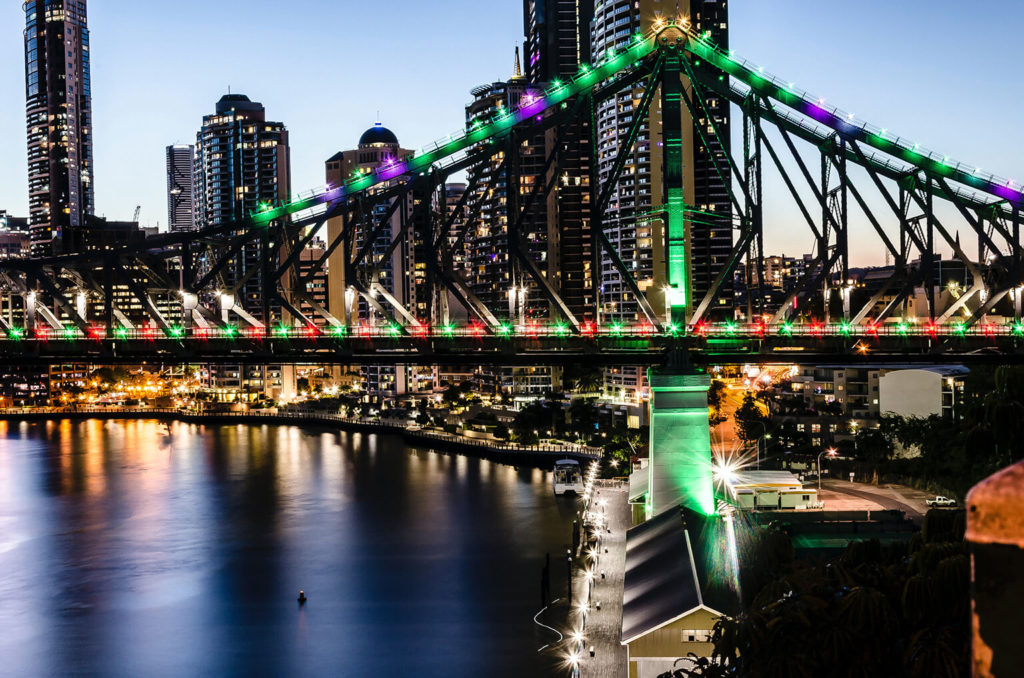
Brisbane’s ongoing infrastructure projects—from Cross River Rail to new motorways and the expansion of rail networks—are transforming connectivity and accessibility. Urban renewal initiatives in areas like Fortitude Valley, Newstead, and Woolloongabba are injecting new residential, commercial, and entertainment precincts into the inner city. These projects elevate property values, stimulate local property turnover, and create development hotspots. Buyers are drawn to emerging suburbs revitalized through well‑planned public investments, while sellers benefit from the uplift in desirability and pricing.
Migration Trends and Strong Demand for Housing
International and interstate migration have been key catalysts behind Brisbane’s real estate boom. As Brisbane continues to attract professionals, entrepreneurs, and students from overseas and other states, rental demand remains high. Investors are capitalizing on tight rental markets and growing population flows. For owner‑occupiers, competition for family homes and apartments is intense—but those willing to move quickly often secure strong properties at reasonable prices, compared to the oversaturated markets of capital cities in the south.
Diverse Market Segments: Apartments, Suburban Homes, and Regional Investments
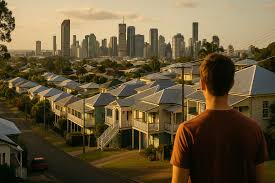
Brisbane’s real estate scene is more diverse than ever. Inner-city apartments appeal to downsizers, young professionals, and first-time buyers. Suburban homes in precincts like Redland Bay, Logan, and the Moreton Bay region offer larger blocks and family-friendly amenities. Meanwhile, regional and peri-urban areas such as Ipswich and Sunshine Coast hinterland present lifestyle-oriented buyers with investment potential fueled by infrastructure improvements. As each segment attracts different buyer types, the market remains active across price points, sustaining vibrant transaction volumes.
Investor Confidence and Yield Stability
For property investors, Brisbane’s long-running vacancy shortages and moderate to strong rental yields make it appealing. New supply is being delivered, but population growth is generally outpacing availability, supporting steady rental demand. Many suburbs report yields above national averages, giving investors confidence in ongoing returns. Combined with relative price stability, Brisbane is viewed as a balanced market: capable of price growth but not prone to serious bubbles like more overheated cities.
Government Incentives and Developer Activity
Queensland government incentives—such as First Home Owner Grants and stamp duty concessions—make entering the Brisbane market especially attractive for owner‑occupiers. Developers are responding with new apartment complexes, townhouse estates, and masterplanned communities. That pipeline keeps buyers and sellers actively engaged, with momentum from both new developments and established homes feeding into turnover and price growth.
Resilience Through Economic Diversification
Brisbane’s economy is becoming increasingly diverse—spanning tourism, education, healthcare, technology, and professional services. Major institutions, universities, and international events (including sporting and cultural functions) continue to bring people and capital.
This economic resilience underpins confidence in the property market, helping to mitigate downturns and support sustained buyer activity. Sellers benefit from a broad base of demand drivers, while buyers can enter the market with greater security about future capital values.
Migration of Remote Workers and Lifestyle Seekers
The shift toward flexible and remote work has enabled buyers to prioritize lifestyle over proximity to CBDs. Brisbane’s mix of riverfront neighborhoods, suburban tranquility, and access to nature appeals strongly to this target group. Buyers relocating from metro areas now seek homes with space and quality of life—without the price premium. Sellers are capitalizing by targeting digital professionals, lifestyle migrants, and dual-income couples looking for a better work–life balance.
Rising International Student Influx and Rental Market Support
With universities expanding and more international students choosing Queensland, demand for rental accommodation near university precincts remains high. Inner-city and student-friendly suburbs see strong occupancy rates. Local investors exploit this by purchasing apartments or townhouses near tertiary institutions. Buyers benefit from reliable rental income, and sellers can position properties to meet student or young professional demand. The built-in rental market support helps drive buyer interest and lift price benchmarks in these areas.
Value Growth Drivers: Urban Amenities and Investment Potential
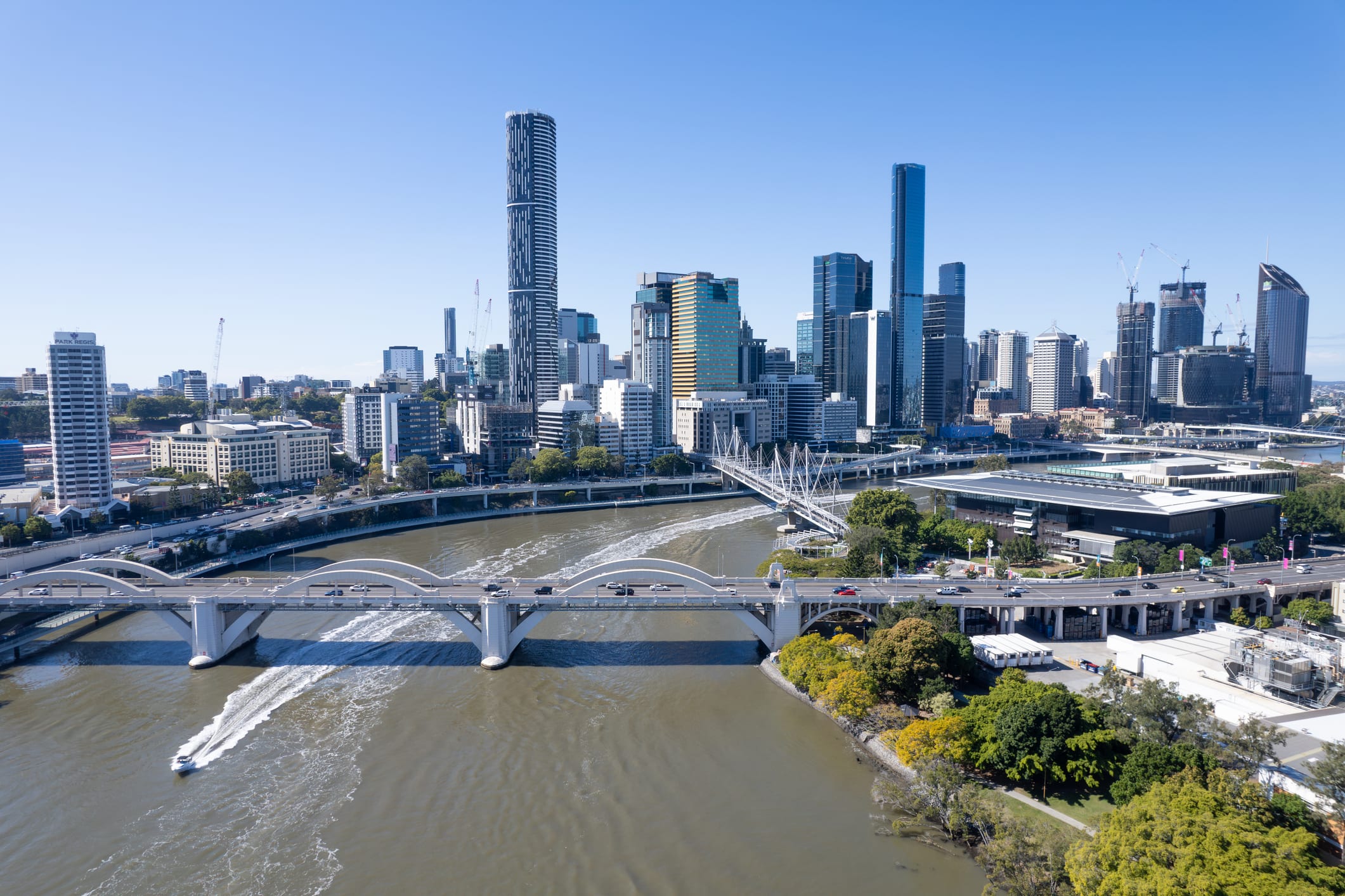
Quality of life factors—the Brisbane River, bridges, cycling paths, riverside precincts, restaurants, arts, and open green space—enhance residential appeal. Areas along the river, such as New Farm, Kangaroo Point, and Bulimba, continue to attract buyers willing to pay premiums. At the same time, emerging suburbs with active development and infrastructure upgrades, such as Springfield and North Lakes, offer value pricing with upside potential. Both categories feed into high demand and frequent transactions.
Tilt Toward Renovation and Value-Add Projects
Renovation and smart value-add strategies are increasingly popular in Brisbane. Older homes in suburbs like Alderley, East Brisbane, and Chermside offer opportunities for buyers to improve value through renovations or subdivision. Sellers in these suburbs are drawing buyers seeking fixer-uppers or projects with potential. This has widened participation in the market: buyers who seek renovation projects, and sellers capitalizing on rising finishes based on previous rounds of inner-suburb refurbishments.
Economic Forecasts and Market Momentum
Economists often project Brisbane’s property market growth to continue moderately, supported by demographic drivers and new supply constraints. While growth rates may vary, sustained demand ensures that both buyers and sellers can operate in a confident, stable environment. Sellers coming to market in areas with strong infrastructure and amenity development often achieve good results. Buyers entering early in emerging suburbs still find value before mass upward pricing changes.
Community Appeal and Long-Term Residency Trends
Brisbane is increasingly seen as a place where people settle long-term. Community orientation, lifestyle amenities, and family-friendly environments contribute to long residency trends. That steadiness supports low turnover and increases demand for existing listings when people do decide to move. Sellers benefit from limited resale stock, while buyers are often competing for desirable listings—this dynamic helps maintain market activity.