
Choosing the right real estate agent is one of the most important decisions you’ll make when buying or selling property in Australia. A skilled agent can help you get the best price, navigate complex negotiation, and make the process smooth and stress‑free. But with so many options, how do you decide on the one who is right for you? Below are key factors to guide your decision.

Research Agents’ Local Track Record
Begin with research. Look online and in your suburb at agents who are active and recent sales they’ve handled. Metrics like average days on market and auction clearance rates provide insights into performance. A consistent track record of sales in your specific neighborhood or property type signals competence and expertise.
Visit realestate.com.au or domain.com.au to find agents with strong local activity and positive reviews. Don’t rely solely on who advertises most; focus on actual results, not just volume.
Prioritize Deep Local Knowledge
Local expertise matters enormously. The ideal agent should be intimately familiar not just with property values, but also with local amenities, school catchments, zoning, transport links, and community vibe. An agent who lives or owns property in the area is often more motivated and knowledgeable.
When interviewing agents, ask them about recent comparable sales nearby. Gauge whether they can explain local market dynamics clearly—fluctuations in demand, buyer demographics, seasonal trends. Their ability to articulate this well signals credibility.
Observe How They Interact With Buyers
Your agent represents you and presents your property. Observing how they conduct open homes or auctions can reveal a lot. Attend inspections being hosted by agents you are considering; watch how they engage with prospective buyers—do they encourage questions, follow up afterward, and show genuine interest?.
An agent who is proactive in nurturing inquiries, not just passive and aloof, is more likely to reach the right buyer. Ask whether they personally call everyone who attends open inspections, whether they track inquiries and follow up methodically.

Ask the Right Questions
When meeting agents, don’t be shy—ask plenty of questions and listen to how they respond. Ask about their approach to marketing, what channels they use, how they price your property, and what contingency plans they have if the campaign underperforms.
Good agents will share case studies and examples of prior campaigns: how long the property remained on market, whether the sale was at or above asking, and lessons learned. You want to understand not just outcomes but strategy.
Look for Transparency and Professionalism
Strong communication, honesty, and transparency are essential. Agents who promise a much higher price than comparable appraisals may simply be over‑promising to win your business and could disappoint later.
Refuse agents who use shady tactics—some have been criticised in the Australian press for fake offers to manipulate buyers. Choose someone who is clear about fees, upfront about their expected performance, and provides regular updates. Proven agents share weekly reports showing:
- Number of inquiries
- Visitor counts
- Marketing reach and engagement
- Adjustments to strategy when required
- com.au
- Check Credentials and Reputation
Seek out testimonials and references. Ask previous clients and look for verified reviews. Agents without testimonials or unwilling to share them may lack credibility. Validate their claim of having sold similar properties.
Avoid agents who are quick to slash commission. Offering steep discounts often suggests lack of confidence in their own ability. While commission matters, reputation and effectiveness should matter more.
Align on Strategy and Expectations
Ensure the agent’s strategy fits your goals. Selling a luxury waterfront home in Brisbane differs from listing a townhouse in an inner‑city suburb. The agent should tailor marketing, staging, photography, and pricing to your unique property and buyer profile.
Discuss benchmarks upfront. Set clear objectives: expected days on market, target price range, number of showings per week, etc. A good agent lays out a campaign plan with milestones and alternative approaches if market response underwhelms.
Evaluate Rapport and Trust
Even with stellar credentials, you need to feel comfortable working with your agent. Real estate is personal and potentially emotional. You should feel respected, heard, and understood.
One Redditor put it well:
“You have to spend time chatting to a few agents until you find one you feel you can trust … one you can handle when they inevitably call you saying ‘this offer may seem low but the market has softened’.” Trust and ethics matter. Jordan Bulmer, a Sydney‑based agent, emphasises transparency and rejects deceptive tactics like fake offers. Choose someone who reflects high moral standards.
Understand the Cost vs. Value
While commission is often the first thing sellers compare, the cheapest agent may yield the worst outcome. An agent with a higher fee but greater marketing reach, negotiation skill, and market knowledge can net you significantly more at settlement.
Look for agents who earn their fee through performance and can justify it. They will explain how marketing spend, professional photography, staging, digital ads, even copywriting, adds value, not just cost. They should defend their fee as fair given the return you get.
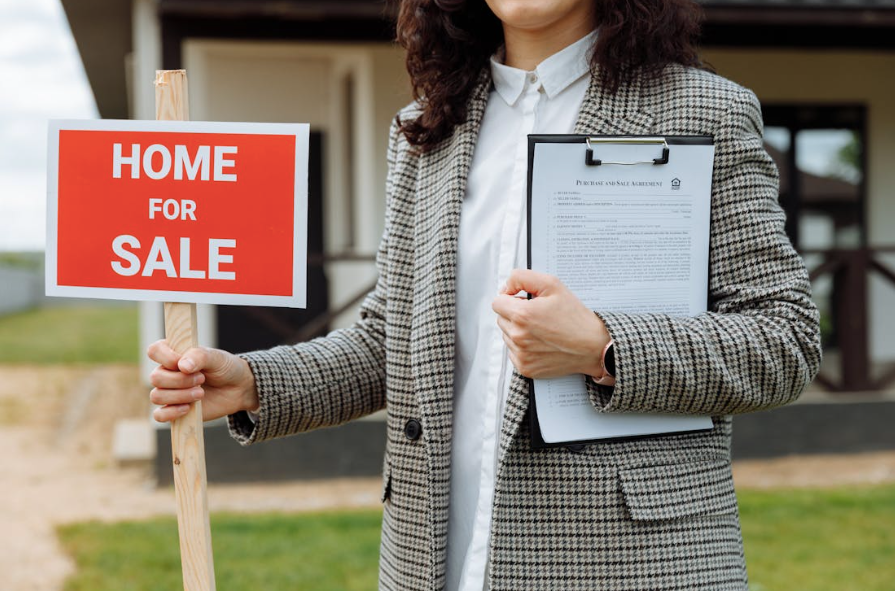
Buyer’s Agent vs. Seller’s Agent: Different Roles
When you’re buying rather than selling, a buyer’s agent can offer expertise in finding properties, evaluating value, negotiating, performing due diligence, and advising on offers and contracts. Buyer’s agents specialize in advocating for you rather than negotiating with you. They can be especially useful in competitive markets.
Evaluate whether the agent you choose has experience representing buyers in your target suburb or price range. Ask about their connections, ability to access off‑market listings, negotiation success, and how they manage inspections and offers. Buyer’s agents should also demonstrate local expertise and integrity.