
Australia’s coastline has long captured the imagination of buyers and investors alike. From the white-sand beaches of Queensland to the dramatic cliffs of Victoria’s Great Ocean Road, coastal properties carry an undeniable allure. But with this appeal comes a price—often a hefty one. Buyers are frequently confronted with inflated costs, fierce competition, and long-term value questions. Sellers, too, face the challenge of timing the market to make the most of their investment. So, is buying or selling coastal Australian real estate truly worth the premium? Let’s explore this complex topic from both sides of the transaction.
The Emotional Pull of the Coastline
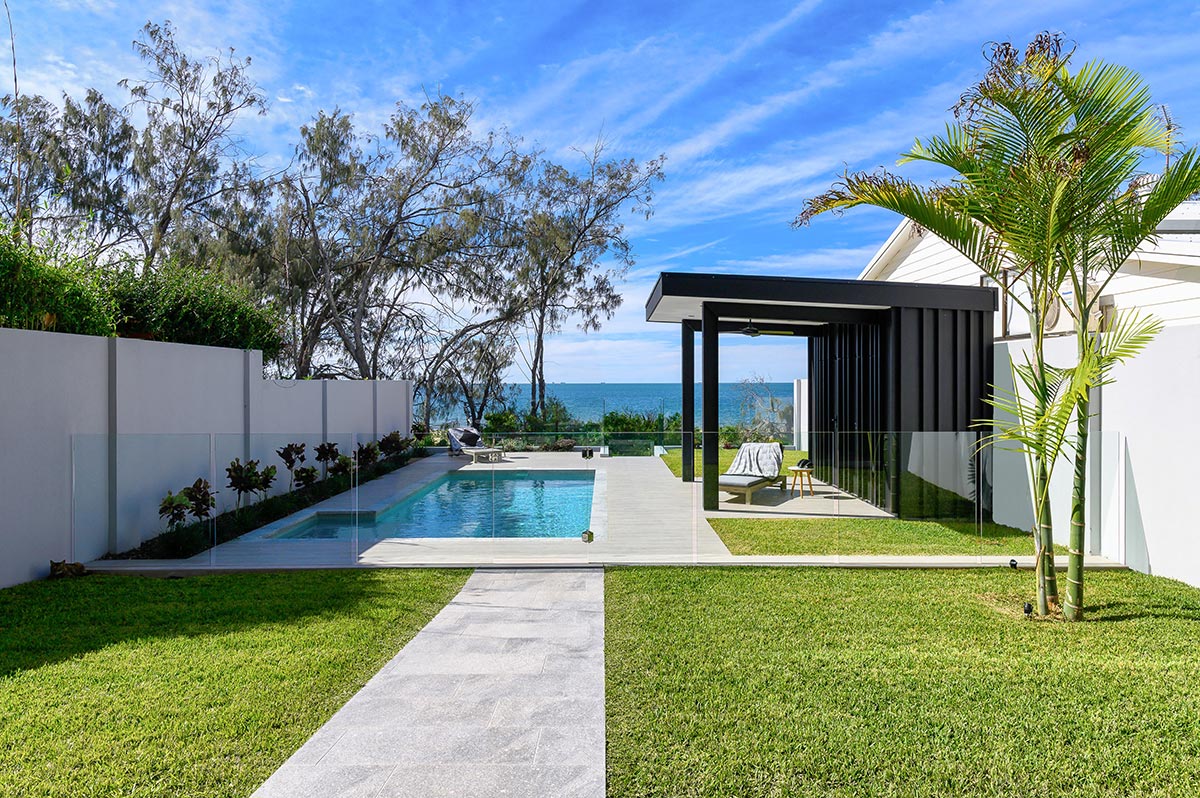
It’s hard to ignore the emotional draw of living by the sea. The promise of ocean breezes, morning swims, and a laid-back lifestyle captures a broad cross-section of buyers—from retirees seeking serenity, to families wanting an outdoor lifestyle, to professionals embracing remote work opportunities. Gold Coast Real estate agents know this emotional connection often trumps logic, pushing prices higher than similar inland properties.
But while this lifestyle appeal is genuine, it’s important to evaluate whether the long-term financial and logistical implications stack up. Coastal living isn’t always easy or affordable, and whether it’s a personal purchase or an investment, the reality must be weighed against the dream.
Coastal Property Pricing: Why the Premium Exists
The premium on coastal properties is driven by several market factors. Supply is limited—there’s only so much land near the coast, and environmental protections often limit new developments. This scarcity creates a naturally competitive environment. High demand from both domestic and international buyers fuels bidding wars, especially in renowned destinations like Byron Bay, Sunshine Coast, or Bondi.
In addition, coastal councils typically impose stricter building codes and sustainability requirements due to environmental sensitivity, erosion risks, and heritage overlays. These regulations increase the cost of construction, further driving up the price of newly built or renovated homes.
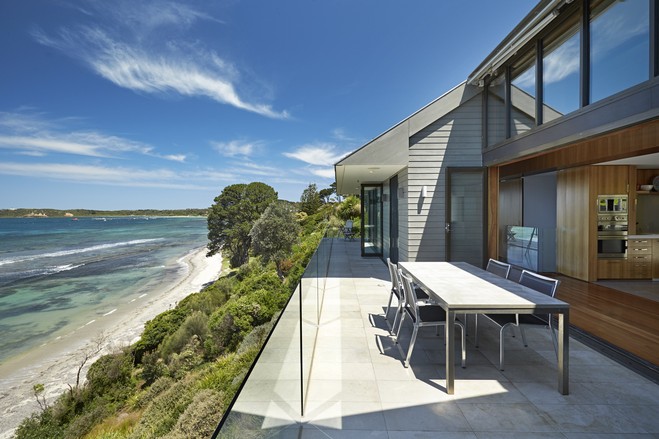
Properties with panoramic water views or absolute beachfront access often see exponential pricing. In many cases, the location alone contributes more to the valuation than the house itself. While this sounds like an investment win, it’s a double-edged sword—because should lifestyle trends shift, prices can just as easily dip.
The Long-Term Value of Coastal Investments
Over the past decade, coastal Australian real estate has proven to be a strong performer. Areas once considered seasonal holiday zones have transformed into year-round communities with robust infrastructure, schools, and healthcare services. The pandemic’s work-from-home movement accelerated this trend, making coastal homes viable primary residences rather than just holiday escapes.
Many buyers who entered the market early in places like Lennox Head, Torquay, or Noosa Heads saw their investments double or even triple in value. However, such growth isn’t guaranteed. Economic downturns, tourism slowdowns, and rising interest rates can all cool the market rapidly.
For those investing in rental income, coastal homes in tourist regions can offer strong short-term gains through platforms like Airbnb or traditional holiday letting. Yet, seasonal fluctuation, weather damage risks, and local council restrictions on short stays can affect profitability.
The Risk Factor: Weather, Insurance, and Maintenance
One of the key considerations in evaluating whether coastal real estate is worth the premium is the climate risk associated with owning property near the ocean. Australia’s coastal zones are highly susceptible to environmental threats like flooding, cyclones, king tides, and bushfires. Rising sea levels have become a particular concern, especially in low-lying communities.
This environmental exposure has a direct impact on insurance premiums. Coastal property owners often face higher rates—or may find coverage limited or denied altogether by insurers concerned about climate vulnerability. Without proper insurance, even a beautiful home with a breathtaking view can become a liability.
Beyond insurance, coastal homes often require more upkeep than inland properties. Salt corrosion affects building materials, roofing, plumbing, and even electronics. Frequent painting, anti-rust treatments, and professional cleaning of outdoor areas are not optional—they’re essential for maintaining the property’s value.
Selling Coastal Properties: When and How to Maximize Value
For those looking to sell coastal property, understanding the unique rhythms of the market is essential. Peak selling periods often align with warmer months, when coastal areas attract tourists and second-home buyers. During these times, emotional appeal is at its highest and so is buyer competition.
Presentation is everything. Staging a coastal home should emphasize lifestyle—sunlight, sea breezes, open-plan spaces, and outdoor entertaining areas. Sellers benefit from professional real estate photography, drone footage, and even virtual tours that showcase proximity to the beach and surrounding attractions.
Timing the sale is equally important. During a nationwide housing boom or when interest rates are low, buyers are more willing to pay a premium. But when economic conditions tighten, coastal homes—especially luxury properties—can be among the first affected, as discretionary buyers withdraw.
Is the Premium Ever Justified?
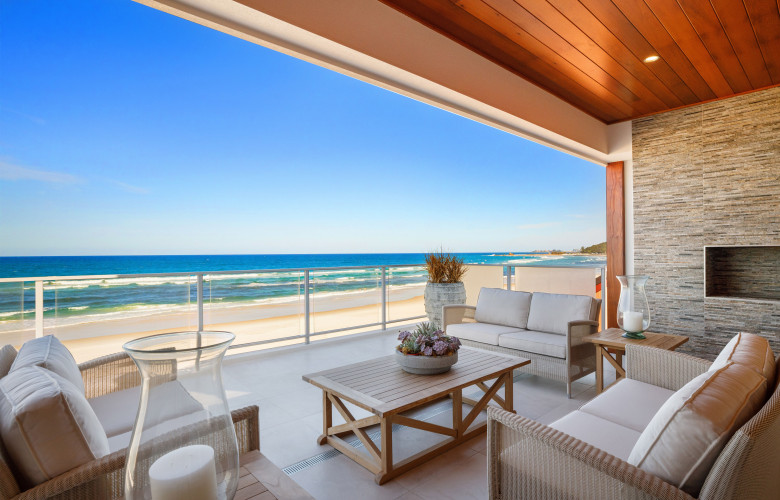
For many, paying a premium for a coastal property is about more than financial logic—it’s a personal lifestyle decision. The sense of peace, community, and nature is something people are willing to pay dearly for. If you’re buying as an owner-occupier with a long-term view and you’re emotionally invested in coastal living, the premium can be well worth it.
But if your goal is to flip for short-term profit or rely on steady rental returns, the coastal market can be a gamble. You need to do your due diligence, including understanding zoning laws, rental regulations, tourism trends, and local infrastructure plans.
Sellers, too, need to approach the market with a mix of emotional intelligence and commercial awareness. Overpricing based on emotional attachment can backfire. Smart sellers know the market, use data, and time their exit for maximum impact.
Making the Right Move: Partnering with the Right Professionals
Whether buying or selling coastal property, working with experienced professionals makes a huge difference. Buyers need guidance on realistic valuations, future development potential, and navigating tricky local laws. Sellers need marketing expertise, negotiation skills, and access to motivated buyers.
That’s where platforms like Legiit come in. By connecting clients with skilled real estate freelancers—content writers, marketers, analysts, or local consultants—these platforms offer a cost-effective way to access insights and services that would otherwise be expensive or unavailable.
For example, a property investor might hire a Legiit expert to conduct a market analysis on rental trends in Batemans Bay or to create compelling property listing content that sells the dream of Port Douglas. Sellers can also benefit from affordable staging advice, drone video production, or SEO content for their agency website.
Using such platforms empowers both buyers and sellers to operate with greater clarity, strategy, and confidence. In a high-stakes market like coastal real estate, that kind of edge can make all the difference.

Future-Proofing Your Coastal Investment
The future of coastal real estate in Australia is tied to environmental sustainability, government infrastructure spending, and shifting population dynamics. Buyers should consider factors like planned transport links, climate adaptation projects, and zoning changes. Sellers, meanwhile, should be aware of demographic trends and tourism shifts that might influence buyer demand.
Sustainable design and construction are becoming essential in coastal developments. Homes with eco-friendly features—like solar panels, water tanks, and weather-resistant materials—are not just attractive to today’s buyers but also likely to be more resilient to future regulatory changes.
With thoughtful planning and a clear understanding of market dynamics, coastal real estate can be a rewarding part of any portfolio or a dream lifestyle choice. But like the tides themselves, the market can change quickly. Knowledge, timing, and smart partnerships are the keys to making the premium worthwhile.