
Queensland has evolved into one of Australia’s fastest‑growing property markets, drawing attention from both interstate migrants and savvy investors. From soaring coastal towns to booming regional cities, there are clear drivers behind why more people are both buying and selling real estate in Queensland today.
A Rising Tide of Demand Meets Limited Supply
Population growth is a fundamental force shaping Queensland’s real estate landscape. With interstate migration from New South Wales and Victoria surging since the pandemic, Brisbane and regional centres such as the Gold Coast and Sunshine Coast have become magnets for new arrivals. The Real Estate Institute of Queensland highlights a growing population, low unemployment (at just over 4 percent as of April 2025), and lifestyle appeal as powerful support factors for the market.
At the same time housing supply is lagging. Construction activity and dwelling completions are falling behind projected targets, even as Queensland’s population continues to grow faster than the national average. This imbalance between demand and supply is pushing prices upward across the state.
Record Price Growth and Strong Seller Returns
Reports from Domain and Propertyology paint a picture of rapid price escalation. Domain predicts that Brisbane unit prices will edge up by around five per cent and house prices by 6 to 8 per cent in the 2025–26 financial year. Regional displays even stronger performance with Townsville, Mackay, Gladstone, Rockhampton, and others all posting double‑digit gains in the past year.

CoreLogic’s Pain & Gain report found that nearly 95 percent of property resales nationally delivered profit for sellers in early 2025, with a median gain of about AUD 305,000. That remarkable trend is fueling more people to list their properties to capitalize on equity.
Regional Queensland Steals the Spotlight
While Brisbane continues to be a strong performer, it’s in regional Queensland where growth is stealing headlines. Mackay recorded a nearly 19 percent increase in median house prices over 12 months. Townsville grew by 17.4 percent and Gladstone by 16.5 percent. Unit markets also surged, with Townsville up around 21 percent and Gladstone and Mackay both posting roughly 20 percent growth.
Propertyology’s 2025 outlook projects Townsville alone might deliver 25–30 percent growth by year‑end, positioning it as the top‑performing regional market in Australia. That kind of upside has opened doors for both lifestyle homebuyers and investors looking for affordable entry and strong capital gains.
Lifestyle, Climate, and Infrastructure Attract New Residents
Queensland’s climate, relaxed pace, and coastal lifestyle remain powerful draws for families, retirees, and remote workers alike. Cities such as the Gold Coast, Sunshine Coast, and coastal communities like Yeppoon are increasingly in demand. Yeppoon’s population is expected to rise from around 40,000 to 63,000 by 2046, and its median house price has already risen 12 percent to about AUD 680,000.
Major infrastructure initiatives are reshaping market sentiment. In Brisbane, Cross River Rail, Brisbane Metro and the Queen’s Wharf project are adding momentum to inner and middle-ring suburbs. Such investments improve connectivity to employment centres and leisure zones, enhancing property appeal. Meanwhile, in regional Queensland, upgraded roads, hospitals and urban developments in areas like Mackay and Townsville strengthen their lifestyle credentials.
Interest Rates, Housing Policies and Tax Incentives
Interest rate cuts in early and mid‑2025 have lowered borrowing costs and expanded buyer capacity. As the Reserve Bank trims rates, more first-home buyers and investors are expected to re-enter the market, applying upward pressure to prices.
Australia’s tax framework favors property investors through mechanisms such as negative gearing and a 50 percent capital gains discount, while superannuation can further advantage property purchasing over traditional savings. These features create an attractive environment for investment in Queensland real estate,
On the state level, Queensland’s government launched the ‘Homes for Queenslanders’ plan in 2024 with a $3.1 billion commitment to deliver one million new homes by 2046, including stronger tenant rights and reform measures. The impact of these policies is slowly unfolding but already adding to market stability.

Why Sellers Are Active Now
High price gains and strong buyer competition mean many property owners see this as an ideal time to list. Most resale transactions are resulting in profits, making selling not just a possibility but a compelling financial decision. With demand still strong—even in winter months when listings typically slow—motivated sellers are willing to capitalize while the market remains tight.
The changing seasonal patterns in Queensland—in particular, less of a winter slow‑down in demand—mean that selling now could result in less competition and favourable pricing. Town planning reforms in fast‑growing coastal communities are helping unlock new lots, prompting more listings in emerging suburbs that may appeal to investors and upgraders alike.
First-Home Buyers, Investors, and Lifestyle Movers All Participating
Queensland’s property market is being driven by several overlapping groups. First‑home buyers are leveraging government incentives and lower rates to enter the market, often targeting more affordable units or townhouses in growing suburbs. As ABC News reported in early 2025, first‑home buyer participation remains high in Brisbane, despite affordability constraints.
Investors remain active, attracted by strong rental demand and gross yields around 4.4 percent in Brisbane and higher in regions like Townsville and Mackay. Tight rental vacancy rates are supporting that demand for income-producing properties.
Lifestyle migrants—from retirees seeking coastal calm to remote workers chasing sun and sea—are drawn by Queensland’s affordability compared with Sydney and Melbourne. Many are buying sight unseen, using video and local agents, driven by the expectation of future capital gains .
Outlook: What’s Next for Queensland Property?
Looking ahead to late 2025 and beyond, forecasts remain bullish. Regional areas like Townsville and Mackay are tipped for continued double‑digit growth through strong local economies, infrastructure developments, and persistent demand. City markets like the Gold Coast and Sunshine Coast are expected to rise 10–13 percent over the year, with Brisbane house values also edging ahead at around 6–10 percent .
If interest rates continue to ease, buyer capacity will expand further. But affordability pressures will persist, particularly in core Brisbane suburbs, meaning value can be found in middle‑ring and emerging neighbourhoods where employment, wages and income diversity support sustainable growth. Investors who focus on these locations and add value through renovation or redevelopment are likely to outperform.
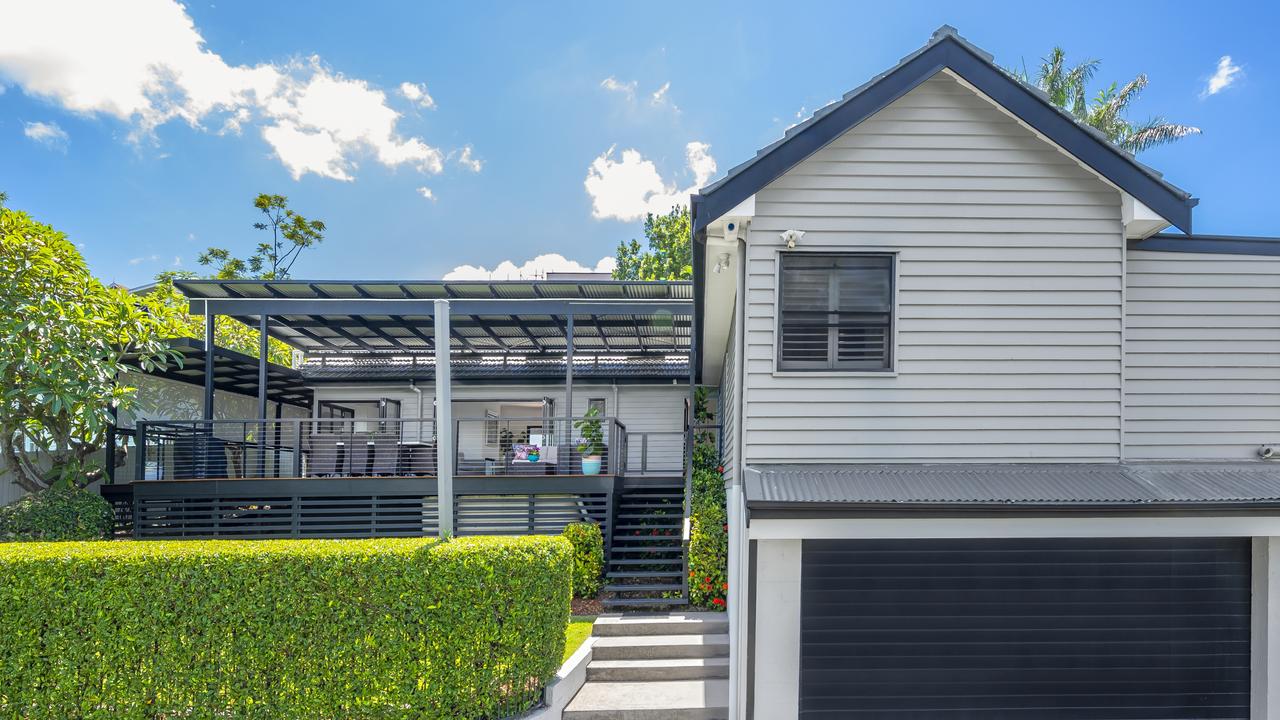
At the policy level, if Queensland’s homes‑for‑Queenslanders initiative achieves housing supply targets and reforms continue to streamline development, longer‑term supply constraints could ease. Until then, upward momentum is likely to remain strong in both coastal and inland regional markets.
Queensland’s property market in 2025 is being fuelled by high demand from migrants and investors, limited housing supply, strong capital gains, supportive infrastructure, and favourable tax and policy settings. Sellers are benefiting from equity gains, while buyers—whether owners or investors—are harnessing incentives and access to capital to secure property before competition intensifies.
From emerging hotspots like Townsville, Mackay and Gladstone to hot suburbs of Brisbane and the Gold and Sunshine Coasts, more people are buying and selling real estate in Queensland now as each group seeks to capitalise on a market that remains tight, dynamic, and brimming with opportunity.