
Rural property in regional Australia is capturing increasing attention—from investors seeking strong rental yields and land-backed capital growth, to families and retirees chasing a lifestyle change. After decades of city‑centric growth, regional markets are now thriving thanks to affordability, infrastructure investment and a cultural shift toward more balanced, spacious living. This post explains both sides of the transaction: buying with clarity and selling with confidence, all while highlighting the unique benefits, risks and practical steps across Australia’s rural landscape.
Why Regional and Rural Properties Are Gaining Momentum
Over the last decade farmland values have more than doubled, driven by global food demand, commodity cycles and shifting lifestyle priorities. Meanwhile, many cities remain out of reach for average buyers, making regional zones 30–50% more affordable and more attractive for investors and tree‑ or sea‑changers alike.
CoreLogic data from 2024 reveals regional dwelling values rose by around 6%, outpacing capital cities at 4.5% growth. As remote work stays common, rental demand in regional centres has intensified, offering better yields than major cities—approx. 4.4% vs 3.5% gross return.
Government funding such as infrastructure upgrades under the regional development initiatives, and improvements to freight and transport corridors, are boosting both liveability and long‑term capital growth in regional Australia.

Understanding the Buyer Perspective
What Buyers Seek in Rural Property
For many buyers, the appeal of rural real estate is more than price—it’s the lifestyle: space, nature and community. Towns within commutable distance to capitals (so‑called ‘near regions’) like Geelong, Ballarat and some parts of Queensland and NSW are especially attractive. Investors, meanwhile, look for land-backed assets and rental opportunities in family‑friendly areas that attract tenants who pay above‑average rents thanks to high local demand.
Essential Due Diligence When Buying
Buying rural is fundamentally different from buying suburban. Prospective buyers must scrutinise zoning (e.g. RU1 zones, primary production, conservation), building entitlements and permitted land use. Water licensing is often mandatory, especially for agricultural use, and soil condition (contamination, fertility), pest and building inspections are non‑negotiable. For working properties, approvals regarding livestock, cropping or other activities may also be relevant.
Major financial and legal considerations include higher deposit expectations and unique loan terms for rural properties (since banks treat them differently), and potential tax implications, such as capital gains tax for properties over two hectares or properties not exempt under primary residence rules. From January 2025, sellers over the $750,000 threshold need ATO clearance certificates even for rural sales.
Steps buyers should take:
- Confirm property zoning and entitlements
- Check water rights and soil health
- Undertake building, pest and environmental inspections
- Understand financing terms and deposit requirements
- Clarify capital gains and tax implications
How Sellers Can Prepare Their Rural Property for Market
Setting Realistic Expectations
Selling rural property often takes longer than city homes; preparation is key. Grounds should be well‑maintained, internal areas decluttered, and unique features highlighted: dams, barns, scenic views, fencing, native vegetation or established gardens.
Marketing rural property effectively requires tailoring the narrative: describe annual rainfall, soil condition, fencing condition, livestock infrastructure, water sources, agronomic potential or lifestyle appeal depending on the audience.
Legal, Tax and Financial Considerations for Sellers
Sellers must calculate realistic asset value—land per hectare plus improvements—and understand tax obligations. Only up to two hectares may qualify as a principal residence exemption; extra land may attract capital gains tax. Sellers must obtain a foreign resident capital gains clearance certificate in certain situations, with exemption thresholds evolving in 2025.
Macro Trends Affecting Rural Real Estate in 2025
Australia is transitioning into a new phase: farmland prices have reached record levels—average of $9,429 per hectare in 2023, up 130% since 2013. Institutional investment and government rural infrastructure spending continue to underpin farmland demand, especially in high‑quality agricultural regions with robust water access.
Some regional areas, such as Ipswich, Wide Bay and Ballarat, have seen significant inward migration and infrastructure growth in 2024, making them hotspots for both owner‑occupiers and investors. However, rising construction costs in certain areas (e.g. regional South Australia) have discouraged new builds, increasing pressure on existing housing supply and raising prices for resale homes.
In light of these changes, the market remains fundamentally strong, but buyers and sellers must adopt a long‑term strategic lens, and be aware of rate fluctuation, planning reforms and regional development policies.
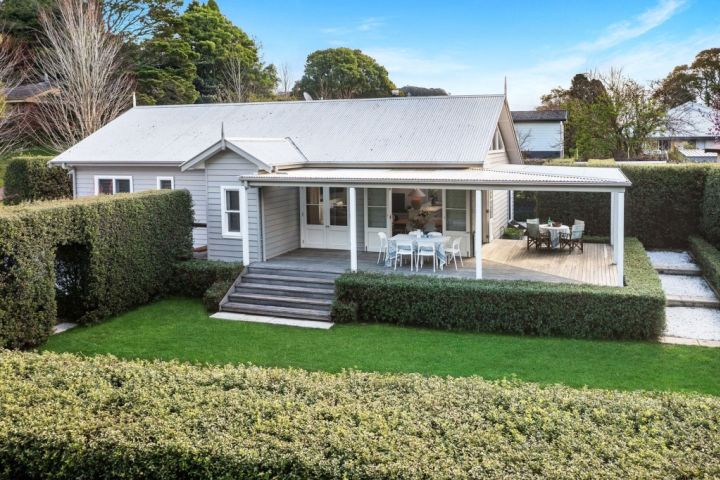
Benefits of Rural Property Ownership and Investment
Affordability and Yield
Purchase prices are significantly lower—often 30–50% cheaper than comparable properties in capital cities—and rental yields are relatively higher, which means lower purchase cost and a better return on rent invested.
Capital Security and Land Value
Rural properties tend to appreciate steadily over time. The fact that they are tied to land and often water rights means capital value is less volatile, especially when purchased in areas with infrastructure backing or commodity relevance.
Lifestyle and Community
For many buyer segments—from families to retirees—the slower pace of town life, access to nature and stronger community ties are compelling reasons to move. Regions experiencing demographic gains (coastal or inland) are also seeing growth in local services and amenities.
Multi‑Sector Economic Support
Regional economies benefit from broader economic diversification—tourism, agriculture, mining and renewables. Infrastructure projects such as the Roads of Strategic Importance improve market access and liveability, strengthening property fundamentals.
Risks and Challenges in the Rural Market
Infrastructure and Building Costs
Remote areas may lack obvious water, power or telecommunications infrastructure, and building quotes can be significantly higher. In South Australia, many buyers have bought land and then immediately relisted it after discovering expensive build costs. Modular homes are emerging as one cost‑effective alternative—but logistics still challenge delivery.

Market Liquidity and Transaction Complexity
Rural deals often involve more stakeholders: valuers, agronomists, environmental or heritage surveys, lenders who treat the loan differently, water or native claims, and longer due diligence periods. This complexity increases transaction time and cost.
Environmental and Regulatory Factors
Climate risk (drought, flooding), changing regulation on water or land use, native title claims and local planning restrictions can all affect use and value. Buyers need aligned legal and technical support to navigate these risks.
Practical Roadmap for Buying or Selling
For Buyers:
- Save for a higher deposit (often 20% or more)
- Source rural‑expert lenders and independent valuation
- Inspect zoning, entitlement and permitted use
- Commission environmental, soil and building reports
- Clarify water rights and any native title or heritage claims
- Evaluate long‑term resale and rental potential via local comparables
- Engage a rural‑savvy solicitor or conveyancer aware of CGT and clearance requirements
For Sellers:
- Invest time in preparing grounds and buildings for inspection
- Compile a property dossier highlighting key features: water, pastures, infrastructure
- Market to both lifestyle buyers and investors using segmented messaging
- Obtain ATO clearance certificate if applicable and confirm CGT thresholds
- Choose an agent with rural sales experience and network reach
- Set realistic timelines—it may take longer than city property to transact
The Big Picture: Strategy for 2025 and Beyond
As Australia’s rural land market adjusts to soaring land prices, shifting migration patterns and federal/state housing reforms, buyers and sellers who stay informed will capture opportunity. Smarter planning policies, tax reforms (e.g. stamp duty relief, faster approvals), and broader regional development plans are set to support growth in priority corridors.
Savvy investors and owner‑occupiers should view rural property with a multi‑decadal mindset: looking past short‑term rate cycles and economic noise to the enduring appeal of land, lifestyle and long‑term growth potential.
Navigating rural property in regional Australia requires careful planning, comprehensive due diligence and a crystal‑clear vision—whether your aims are investment yield, lifestyle balance, capital growth or a working farm. Although the processes differ from suburban property markets, the rewards—affordable entry, steady appreciation, rental demand, space and community—are tangible and substantial.
Both buyers and sellers benefit from expert input, patient timelines and alignment with local trends. In 2025, regional real estate isn’t just an alternative—it is increasingly a smart, strategic option in Australia’s broader property landscape.